
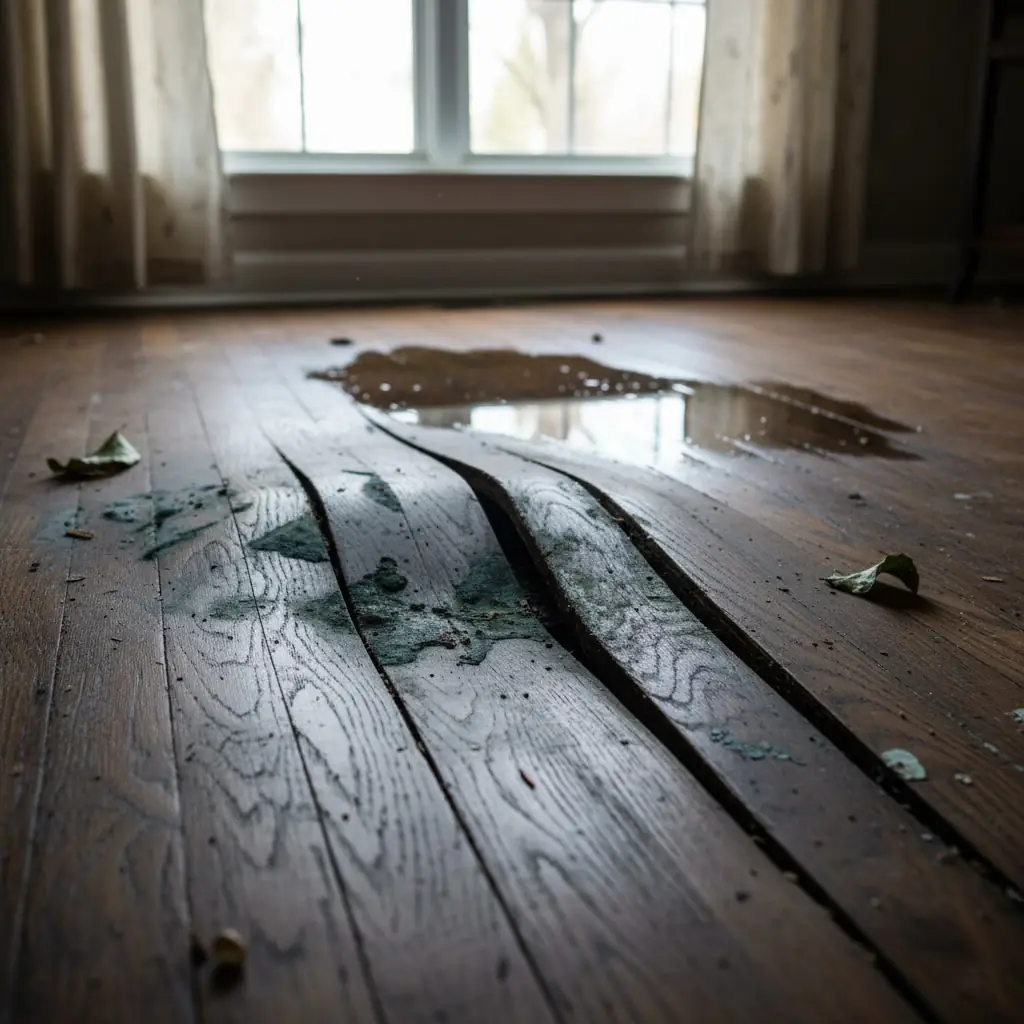
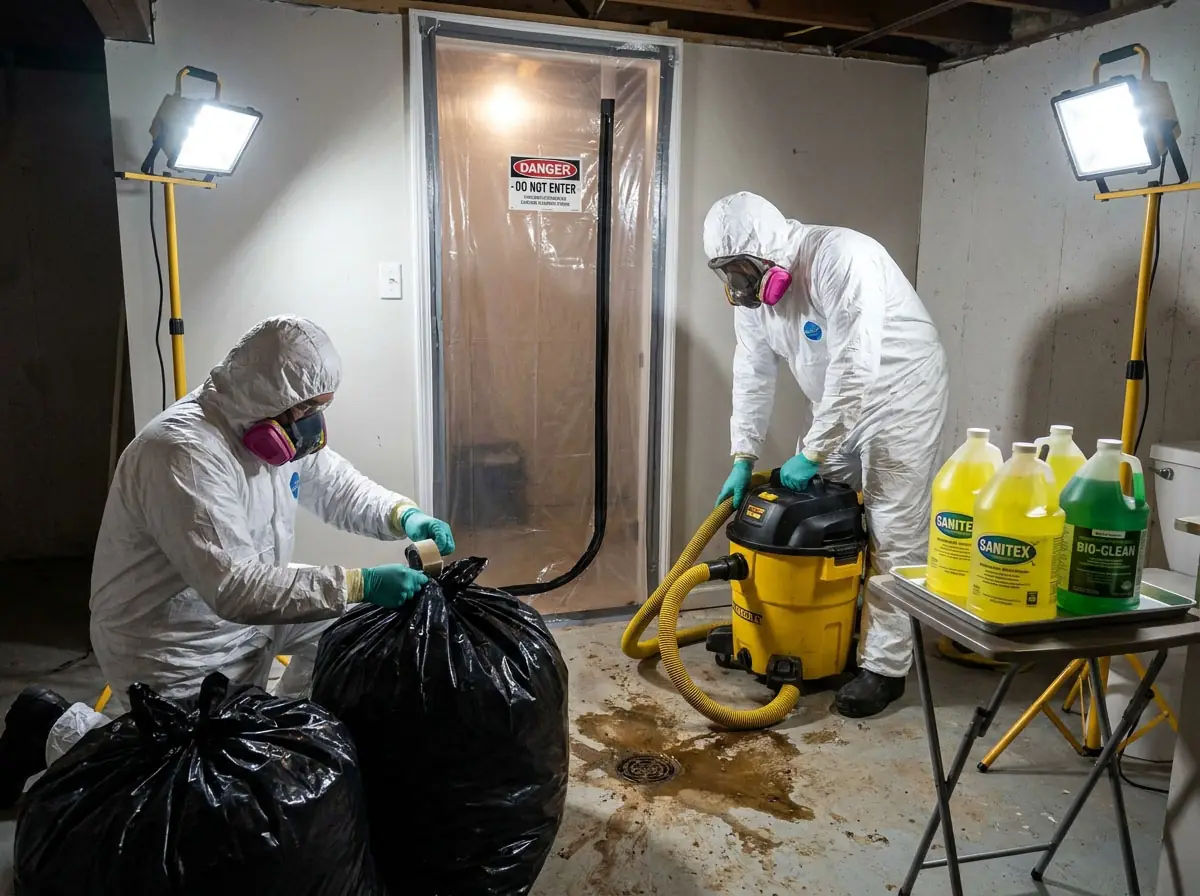


⚡ TL;DR: Learn to avoid five common flood cleanup fails in Pueblo for effective flood damage restoration, tackling power shut-offs, drying pitfalls, hidden water, extraction delays, and bleach myths.
📋 What You’ll Learn
In this Pueblo flood cleanup guide, you'll learn to sidestep 5 common restoration fails, protect your home from Pueblo-specific hazards, and ensure effective recovery after local floods like Fountain Creek overflows.
- Master power shut-off basics to dodge Pueblo's deadly electrocution risks during floods, ensuring safe cleanup starts without shocking surprises or emergency calls.
- Uncover DIY drying pitfalls in our humid mountain air, where fans breed mold instead of drying, and discover pro techniques for true moisture control.
- Detect hidden water traps in walls and subfloors that linger post-flood, preventing structural damage and costly rebuilds in Pueblo homes.
- Accelerate extraction urgency against Pueblo's clay soil that holds water longer, avoiding prolonged drying and secondary damage from delayed pro help.
- Debunk the bleach myth for flood mold, understanding why it fails and what Pueblo pros use for effective, safe remediation instead.
📖 Reading time: 7 min
✍️ Author expertise: Pueblo water damage pro with 15 years of hands-on flood restoration in Southern Colorado.
One wrong move during flood cleanup in Pueblo, and your soggy mess turns into a full-blown nightmare costing thousands extra.
We've seen it time and again: homeowners here grab buckets and fans, thinking they're heroes, only to breed mold that wrecks walls and health for months.
Flash floods from our mountain runoff don't mess around, but these five deadly mistakes do even more damage if you let them slide.
Discover them now, dodge the pitfalls, and get your home dry and safe faster.
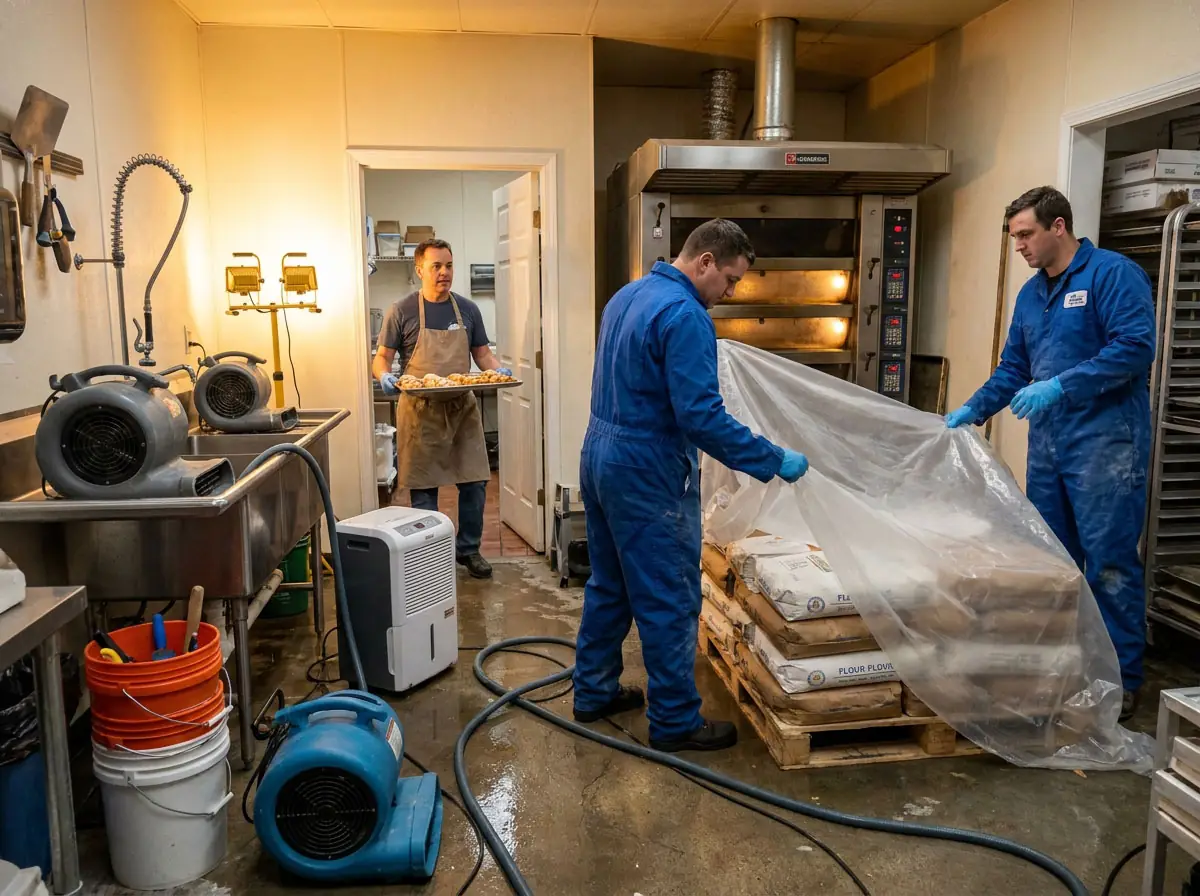
Fail #1: Ignoring Power Shut-Off – Pueblo's Deadly Electrocution Hazard
Picture this: Fountain Creek surges, water floods your basement, and you wade in to grab valuables. Lights flicker on overhead. One slip, and you're fried by live wires hidden in the murk.
Pueblo's flash floods hit hard and fast from mountain storms. Water soaks outlets, appliances, even wiring inside walls. Flip a switch without cutting main power first? Instant electrocution risk skyrockets.
Why Homeowners Skip This Step (And Regret It)
- They think "it's just a little water."
- Fear messing with the breaker box.
- Rush to save stuff instead of staying safe.
We've pulled families out of Pueblo homes turned death traps. Pros hit the main breaker or call Pueblo Electric first. No exceptions. Do it right, or pay the ultimate price.
Fail #2: DIY Fan Drying – Breeding Mold in Our Humid Mountain Air
You fire up those box fans after a flood, thinking you're speeding things up. Big mistake. That whirring air just pushes moisture around your Pueblo home like a bad game of tag.
Our mountain air dumps extra humidity after every runoff. Fans don't pull water out. They spread it, turning damp walls into mold factories overnight.
Why Fans Backfire Here
- High humidity levels stall evaporation. Wet spots stay soaked.
- Circulating air wakes up mold spores fast. Black growth explodes in 24-48 hours.
- Energy waste: Fans run nonstop, bills skyrocket, damage deepens.
We've ripped out ruined drywall from folks who trusted fans alone. Don't join them. Pros use industrial dehumidifiers that actually suck moisture from the air.
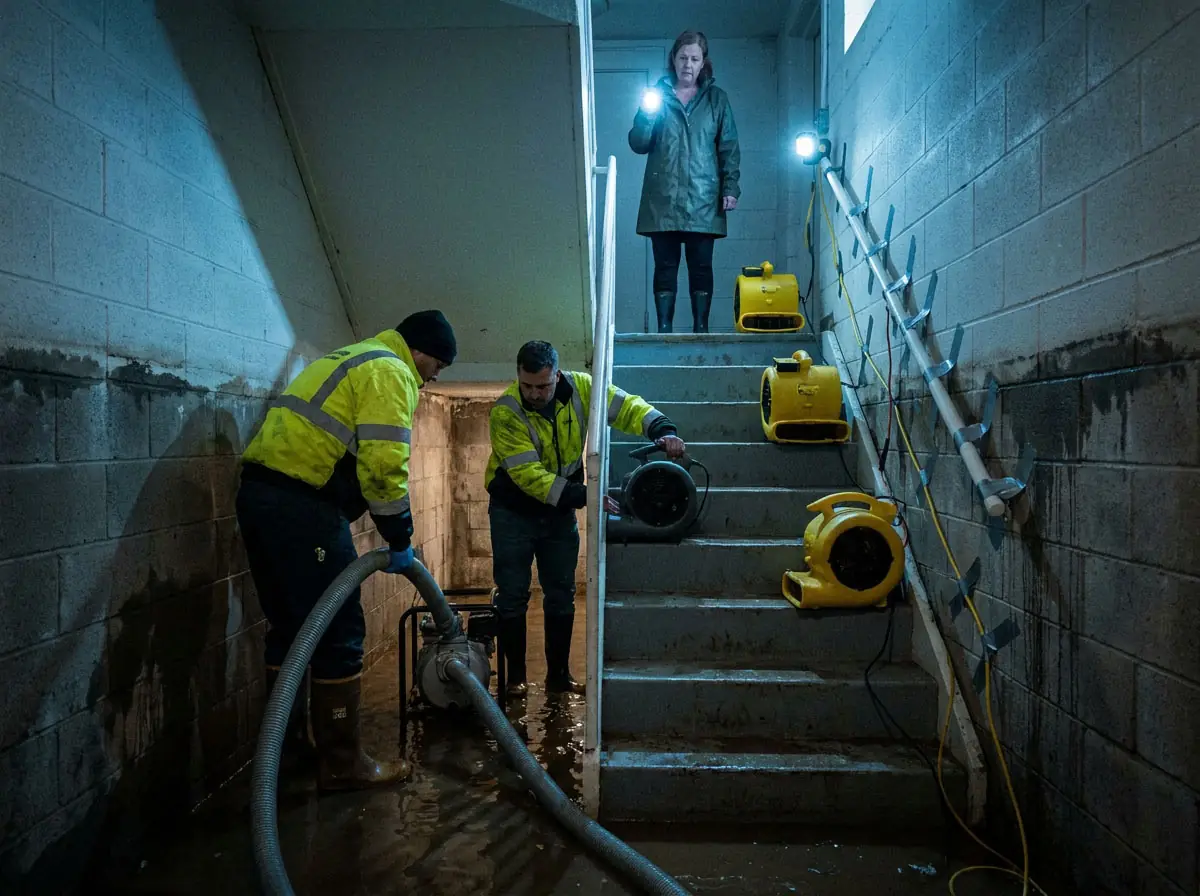
Fail #3: Overlooking Hidden Water in Walls and Subfloors
Water sneaks into your Pueblo home like a thief in the night. It soaks walls, crawls under floors, and hides where your eyes can't reach. You mop the floors and call it good, but that invisible flood keeps rotting your place from the inside.
Structural collapse starts here. Wood swells, drywall crumbles, and joists weaken over weeks. We've ripped open walls in local homes to find black mold parties behind the paint, all from ignored seepage.
Spot the Trap Before It Springs
- Pushy baseboards that won't sit flat? Water's pushing back.
- Soft spots underfoot or musty smells rising? Subfloor sabotage.
- Warped doors and sticky windows? Walls are drinking deep.
Grab a pro with moisture meters and infrared cams. They sniff out the wet spots you miss and extract it fast. Skip this, and your fix-it bill triples.
Fail #4: Delaying Pro Extraction – Pueblo Clay Soil Traps Water Longer
Pueblo's clay-heavy soil acts like a sponge after heavy rains or Fountain Creek floods. Water seeps deep into foundations and slabs, refusing to evaporate on its own.
Grab a shop vac and think you're done? Think again. That lingering moisture turns into structural rot within days, cracking slabs and buckling floors.
Why Pros Extract Water 10x Faster
- Truck-mounted extractors suck out gallons in minutes, not hours.
- Infrared cameras spot trapped water behind walls you can't see.
- They hit dehumidifier power levels homeowners can't match.
Wait even 48 hours, and repair bills skyrocket from 5k to 20k. Call extraction pros immediately after shut-off. Your wallet and home will thank you.
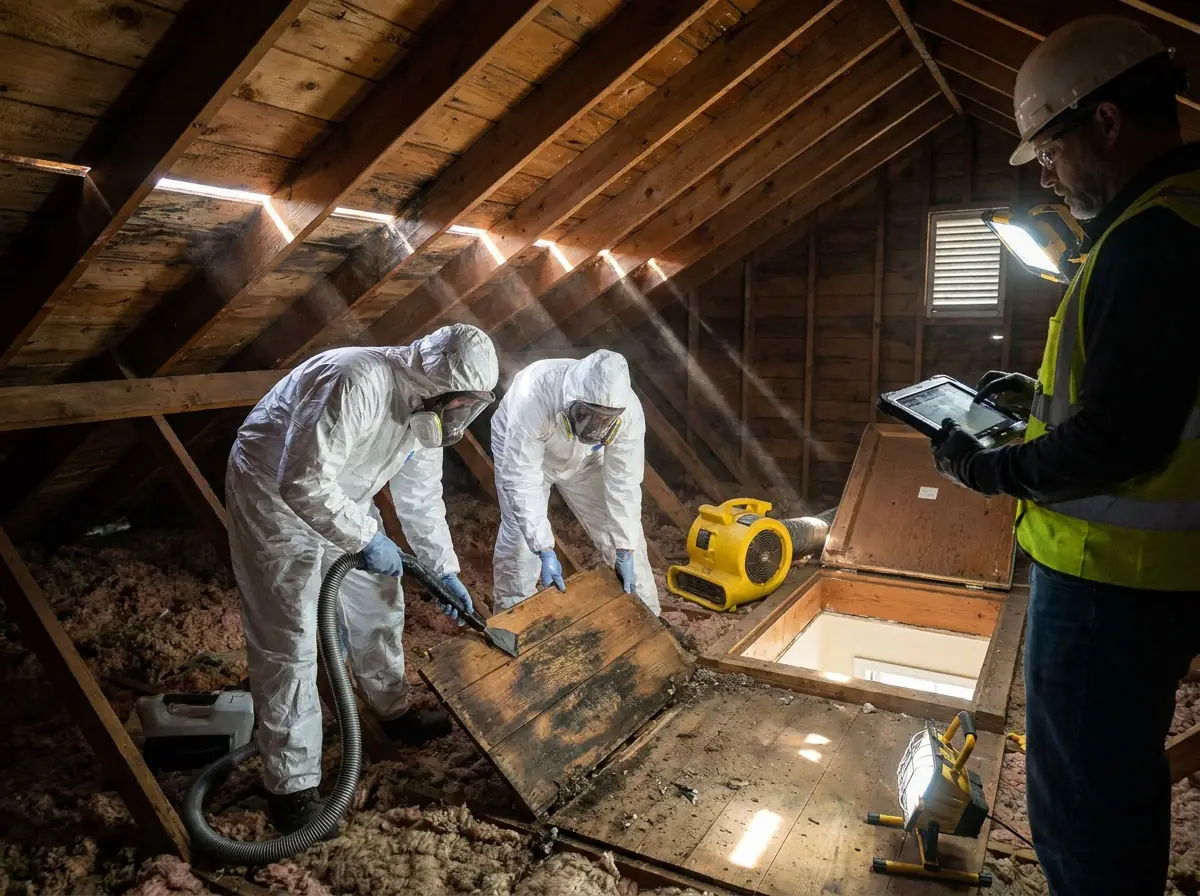
Fail #5: Bleach Cleanup Myth – Why It Fails Against Flood Mold
Grab that bleach bottle after a flood? Big mistake. It kills surface mold on tiles, sure. But flood mold digs deep into drywall, wood, and carpet backing.
Bleach is mostly water. It evaporates fast, leaving mold roots alive and kicking. Those roots spread spores everywhere, turning your cleanup into a mold factory.
Here's Why Bleach Backfires:
- Porous surfaces soak it up – no penetration to kill the source.
- Colors the mold white, hiding the problem while it grows underneath.
- Harsh fumes irritate lungs; not safe for kids or pets in Pueblo homes.
Pros use EPA-registered killers that stick, penetrate, and wipe out colonies for good. Skip the bleach myth. Call experts before mold claims your walls.
Case Study: Saving a Pueblo Family's Home After Fountain Creek Overflow
Last summer, Fountain Creek jumped its banks after a brutal mountain storm. The Martinez family returned to two feet of muddy water in their basement, walls buckling, and that wet dog smell everywhere. They panicked, grabbed shop vacs, and started DIY drying – classic setup for disaster.
By the time we got the call 48 hours later, mold was sprouting behind baseboards. Their clay-heavy yard held water like a sponge, trapping moisture deep in subfloors. Fans? Just spread the damp air around, no real pull.
Our Quick Fix That Turned It Around
- Power down first: Shut off electricity to kill any shock risk.
- Heavy-duty extraction: Truck-mounted pumps sucked out 500 gallons hidden in walls and floors.
- Targeted drying: Industrial air movers and dehumidifiers hit every crevice, dodging that humid Pueblo air trap.
- Mold kill: EPA-approved treatments, no bleach nonsense.
Three days later, their home tested dry. No health scares, no rebuild costs. They slept easy, bills stayed low.
Final Thoughts
Floods hit Pueblo hard and fast. Skip these five cleanup fails, and you slash your risks right now. Call pros the second water invades.
We've pulled homes back from the brink here for years. One quick move? Shut off power. Spot hidden moisture early. Ditch the bleach myths.
- Grab industrial extractors over fans.
- Target Pueblo's sticky clay soil traps.
- Schedule Flood Damage Restoration inspections pronto.
Your family's health rides on speed. Delay, and mold wins. Act smart. Stay dry.
People Also Ask
Why is shutting off power crucial before flood cleanup in Pueblo?
In Pueblo's frequent storms, standing water mixed with electricity creates deadly electrocution risks, as seen in past Fountain Creek floods. Failing to shut off power at the breaker can lead to shocks or fires during cleanup. Always call professionals to safely assess and restore power.
Can using fans alone dry out flood damage effectively in Pueblo's climate?
Pueblo's humid mountain air traps moisture, turning DIY fan drying into a mold factory within 24-48 hours. Fans circulate damp air without extracting water, worsening hidden damage. Hire certified restorers with industrial dehumidifiers for thorough drying.
How does Pueblo's clay soil prolong flood recovery?
Pueblo's expansive clay soil absorbs and holds water tightly, causing foundations and subfloors to stay saturated far longer than in sandy areas. This delays drying and invites structural issues like warping or mold. Pros use specialized extraction to combat soil retention quickly.
Why doesn't bleach effectively clean flood mold in homes?
Bleach only kills surface mold but doesn't penetrate porous materials like drywall or wood, where roots thrive post-flood. In Pueblo's variable humidity, regrowth happens fast without full removal. Professionals employ EPA-approved antimicrobials and HEPA vacuuming for complete remediation.
What hidden water damage should Pueblo homeowners check after floods?
Water seeps into walls, subfloors, and attics, invisible but destructive in Pueblo's cool nights that slow evaporation. Untreated, it leads to rot, mold, and costly rebuilds. Use moisture meters or pros with thermal imaging for detection and prevention.

Peter Clark is a fire, water, and mold cleaning specialist with over 12 years of experience in residential and commercial buildings. Based in Pueblo, CO, he focuses on effective restoration tailored to local properties. His expertise ensures thorough handling of water damage challenges in the community.
Need Water Damage?
Swift water damage restoration in Pueblo, CO and nearby areas (81001, 81003, 81004, 81005, 81006), restoring properties fast to prevent mold and structural issues.
Get Water Quote