
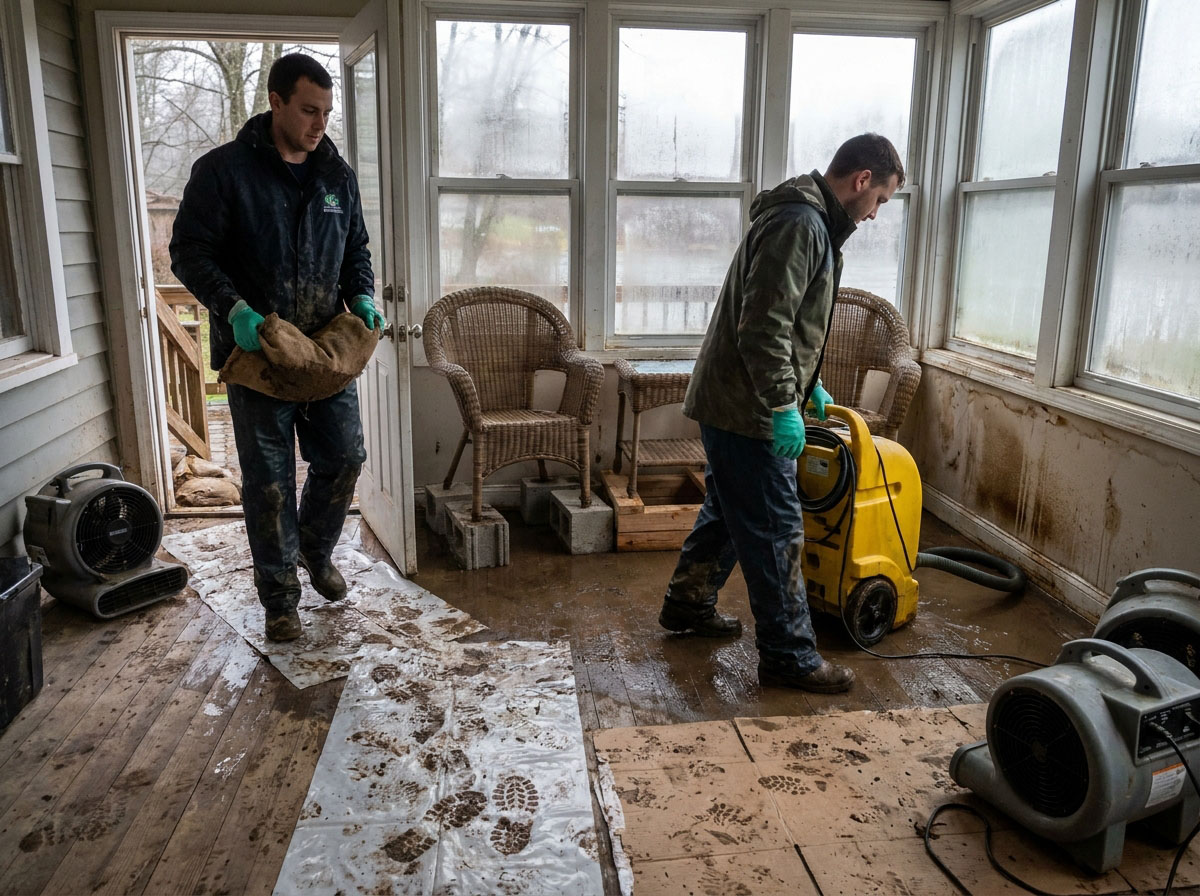


⚡ TL;DR: This guide offers six detection tips for identifying mold after water damage in Pueblo, CO, to support timely mold remediation.
📋 What You’ll Learn
In this Pueblo guide to mold after water damage, you'll learn 6 detection tips, from early signs to tools and health clues, plus a local storm case study for fast remediation.
- Sniff out musty odors early to detect hidden mold growth before it spreads through walls, compromising air quality and health in your water-damaged Pueblo home.
- Spot visible signs on surfaces like discoloration, stains, or fuzzy patches on walls and floors that signal urgent mold remediation needs after leaks or floods.
- Feel for soft, warped areas where moisture hides, identifying bubbling drywall or buckling wood that indicates active mold risks in local properties.
- Measure hidden moisture affordably using meters and testers to uncover dampness behind walls, preventing widespread mold before professional help arrives.
- Monitor health symptoms at home such as allergies, coughs, or fatigue linked to mold exposure, prompting quick detection and safe remediation steps.
📖 Reading time: 7 min
✍️ Author expertise: Pueblo water damage pro with 20 years of hands-on mold detection after local floods.
A sudden pipe burst floods your Pueblo kitchen, and you mop it up fast. Weeks later, a sneaky musty odor creeps in from the walls. That's mold, the uninvited guest thriving after water damage, and it's plotting to wreck your health and home.
In Pueblo's humid climate, especially post-storm, this fuzzy menace spreads like wildfire behind drywall or under carpets. Ignore it, and you're facing skyrocketing repair bills plus allergy attacks that hit like a truck.
Spot it early with these six battle-tested detection tips tailored for our local water woes. Your family's safety starts right here.
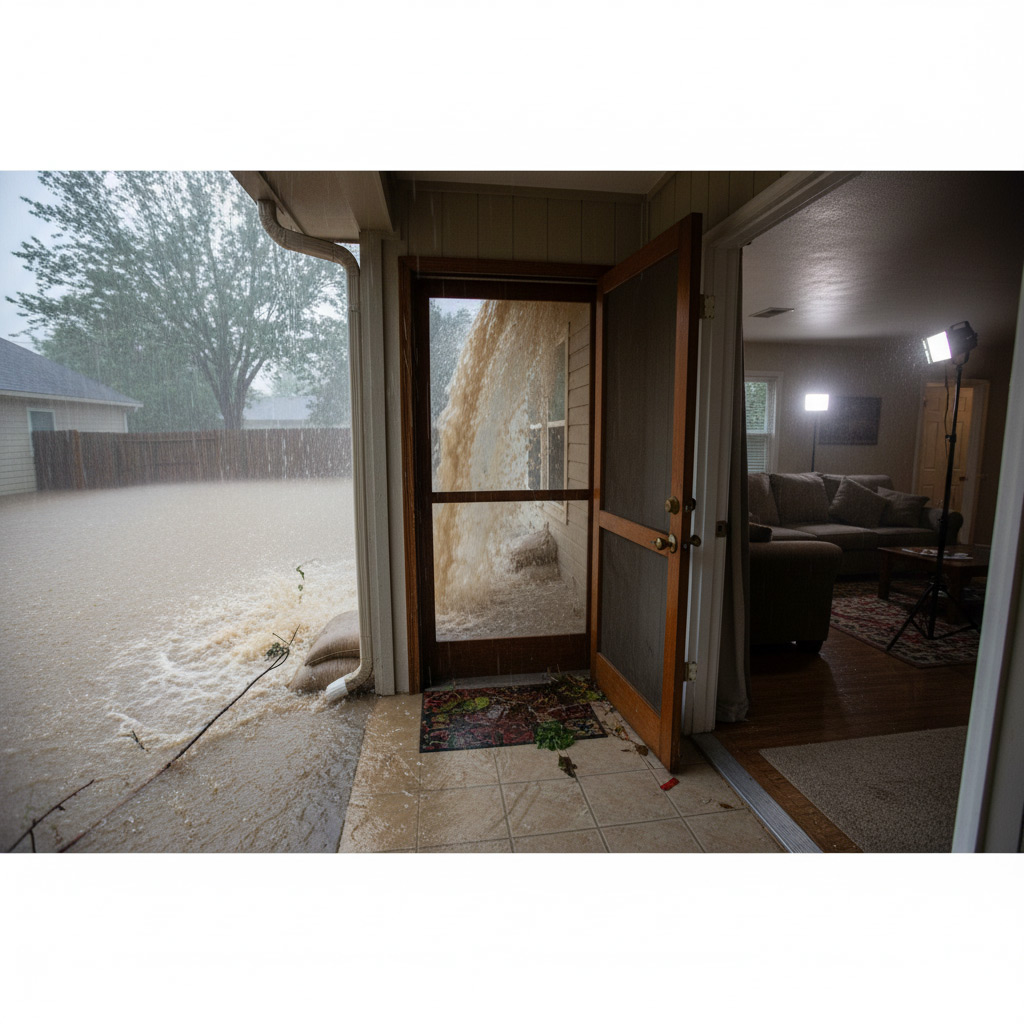
Detection Tip #1: Sniff Out Musty Odors Early
Your nose is your first line of defense against hidden mold. That earthy, damp smell like old socks or wet basement? It's mold screaming for attention. Catch it now, before it turns your Pueblo home into a toxic zone.
Walk through rooms slowly. Sniff near baseboards, HVAC vents, and behind furniture. In our area's sticky post-rain air, mold loves cozy spots like these.
- Pro move: Turn off fans and AC first. Let odors rise without distraction.
- Check cabinets under sinks. Water leaks there brew trouble fast.
- Basement or crawlspace? Get down low and breathe deep.
Smell it faintly? Mark the spot with tape. Don't ignore it, or repair costs explode. Act quick, call pros if it lingers.
Detection Tip #2: Spot Visible Signs on Walls and Floors
Your eyes are your first line of defense against hidden mold growth. After water hits, scan walls and floors daily for the telltale clues that scream trouble.
Key Visual Red Flags
- Black or green spots: Tiny at first, they balloon into fuzzy patches overnight.
- Water stains: Yellowish-brown rings that never fade, even after you dry things out.
- Discoloration: Walls turning darker or walls bubbling up like they're alive.
- Fuzzy growth on floors: Especially under rugs or in corners where damp lingers.
Grab a flashlight and peek behind furniture. In Pueblo homes, post-flood mold loves low spots like baseboards after those summer downpours.
Found any? Snap photos and call pros fast. Waiting turns a small spot into a full-blown invasion.
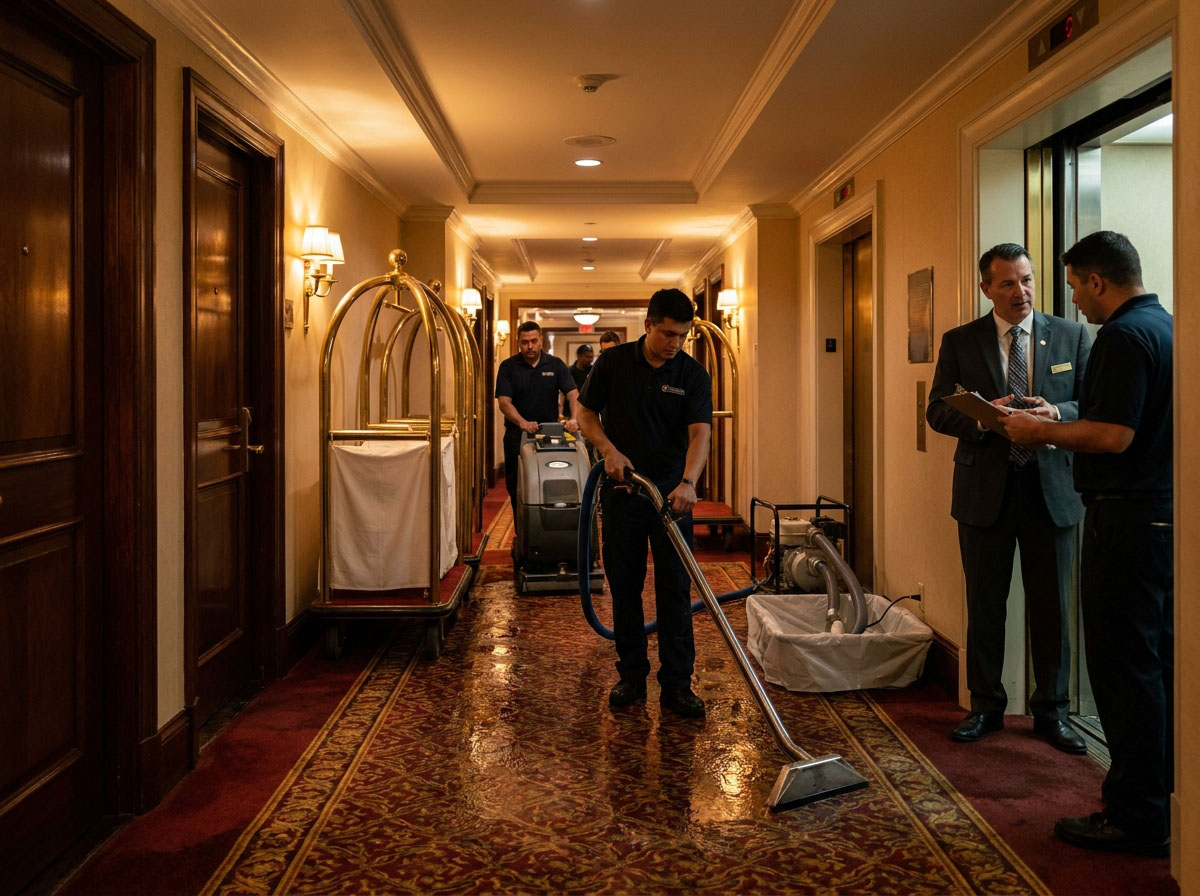
Detection Tip #3: Feel for Soft, Warped, or Bubbling Surfaces
Water soaks in deep after a Pueblo flood. Dry on top? Not underneath. Press your hand against walls, floors, or ceilings hit by the spill.
Soft spots scream trouble. Warped wood buckles. Bubbling paint peels back like it's alive. These mean moisture's feeding mold right now.
Quick Hands-On Checks
- Push firmly on drywall near the water source. Sags or dents? Hidden rot brewing.
- Run fingers along baseboards and trim. Warping feels off, like a bad handshake.
- Tap ceilings below leaks. Dull thuds signal trapped water turning to mold city.
Ignore these tactile clues at your peril. In Pueblo's post-storm basements, I've seen small warps explode into full-blown mold colonies costing thousands. Act fast, touch test daily till it's bone dry.
Detection Tip #4: Measure Hidden Moisture with Affordable Tools
Visible dryness fools most folks. Water hides deep in walls or floors, feeding mold you can't see. Grab a moisture meter to expose the truth fast.
Tools That Won't Break the Bank
- Pinless moisture meter: Scans without damage, costs under $30 at hardware stores.
- DIY thermal camera app on your phone: Free versions spot cool spots signaling trapped water.
- Basic pin-type meter: Cheap probe for wood and drywall readings.
Run the meter over suspect areas. Anything over 15-20% moisture screams trouble. Mark high spots with tape, then call pros before mold explodes.
Test after storms hit Pueblo hard. That recent flood left hidden puddles in basements. Catch it now, save thousands later.
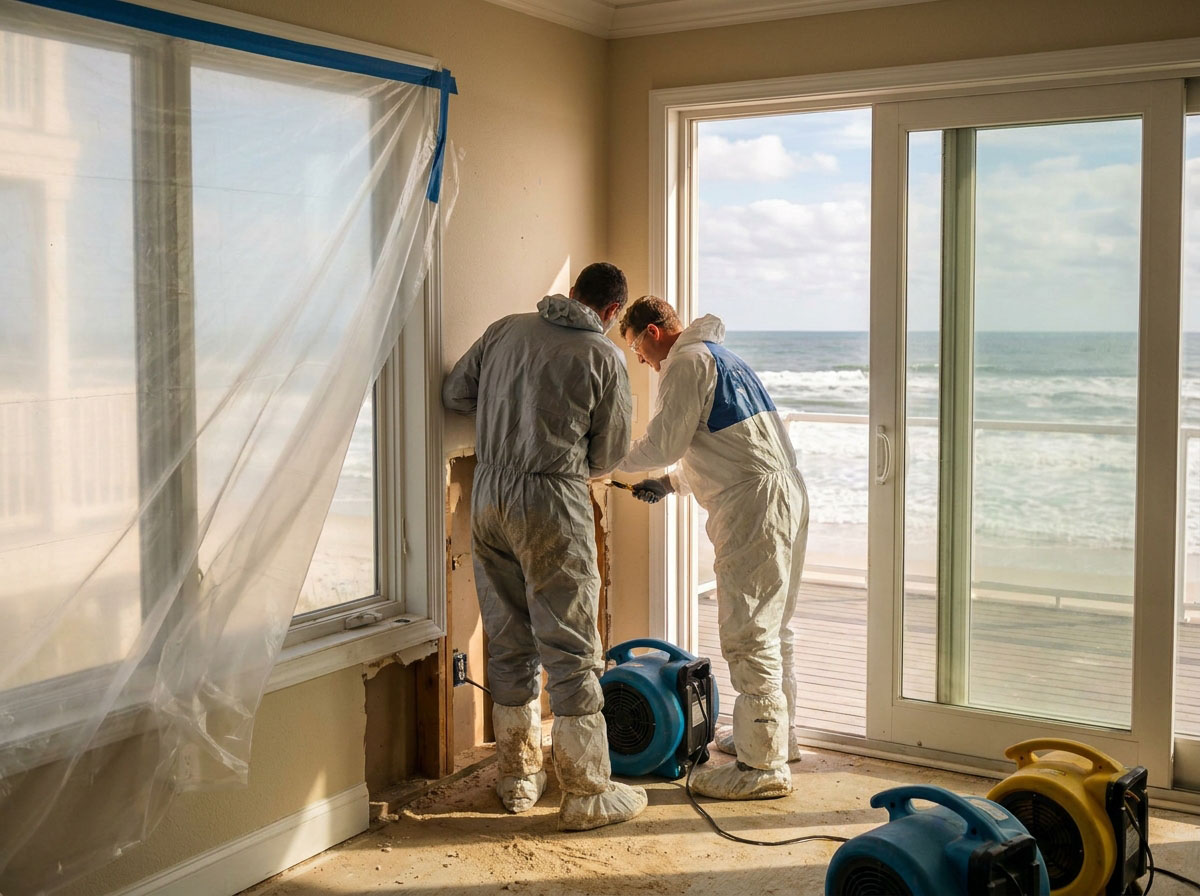
Detection Tip #5: Monitor Health Symptoms in Your Household
Mold doesn't just hide in your walls. It pumps out spores that irritate lungs and trigger reactions. If your family starts coughing more after that water leak, pay attention.
Sudden health shifts scream hidden mold. Kids with new runny noses? Adults battling endless headaches? These aren't random. They're your body's alarm system for toxic air.
Common Symptoms to Watch For
- Persistent sneezing or itchy eyes
- Coughing fits that won't quit
- Skin rashes or unexplained fatigue
- Worsening asthma or breathing trouble
- That foggy brain feeling all day
Spot these popping up post-flood? Don't brush it off as allergies. Test the air or call pros fast. In Pueblo homes, ignoring this leads straight to ER visits.
Pueblo Case Study: Uncovering Mold After a Local Storm Flood
Picture this: heavy rains from a brutal Pueblo thunderstorm slam a family's home on the south side last summer. Water gushed through cracks in the foundation. They dried what they could see, but ignored the faint musty whiff.
Weeks pass. Kids start coughing nonstop. Walls feel soft in the basement. That's when they called us in for a full inspection.
What We Uncovered
- Black mold colonies hid behind drywall, thriving on trapped moisture.
- Carpet padding soaked like a sponge, breeding spores unseen.
- HVAC ducts pulled in damp air, spreading it house-wide.
One sweep with our moisture meters lit up like Christmas. Air samples confirmed high spore counts. Full remediation kicked in fast: tear out, treat, rebuild.
Lesson? That storm's "quick dry" fooled them. Early checks from our tips catch it before it explodes your health bill. Pueblo homes take a beating—stay sharp.
Final Thoughts.
Mold after water damage in Pueblo doesn't wait for you to get ready. It multiplies fast, turning a quick fix into a nightmare. Spot those signs we covered, and act before it spreads.
Grab a moisture meter from the hardware store today. Test suspect spots. But if you smell trouble or see black patches, skip the DIY heroics.
- Call local pros now for a full inspection.
- Protect your family from sneaky spores.
- Save thousands on future repairs.
Our team handles Mold Remediation right here in Pueblo. We've seen it all after storms and bursts. Get ahead of it. Dial us before the musty stench wins.
People Also Ask
How soon does mold grow after water damage in Pueblo homes?
Mold can begin growing within 24-48 hours after water exposure in Pueblo's humid climate, especially post-storm or pipe burst. Early detection using tips like musty odors and moisture checks prevents widespread infestation. Contact local experts for thorough inspection if water damage occurred recently.
What are the first signs of mold after water damage?
Initial signs include musty odors, visible black or green spots on walls, and soft, warped surfaces in affected areas. In Pueblo homes, these often appear after floods or leaks, signaling hidden growth. Monitor closely and use affordable moisture meters for confirmation before it spreads.
How can I detect hidden mold after a water leak?
Use infrared cameras or moisture meters to measure concealed dampness behind walls and under floors, common in Pueblo water damage scenarios. Combine with tactile checks for bubbling paint or softened materials. Professional remediation ensures safe removal if DIY detection reveals issues.
Can health symptoms indicate mold after flooding in Pueblo?
Yes, persistent coughing, sneezing, eye irritation, or headaches in household members often signal airborne mold spores post-flood. Pueblo's variable weather exacerbates this after water events. Seek medical advice and professional mold testing to address the source promptly.
What tools do I need to test for mold at home in Pueblo?
Affordable hygrometers, moisture meters, and DIY mold test kits help identify high humidity and surface growth after water damage. These tools align with Pueblo-specific tips for early detection in walls and floors. For accuracy, pair with pro services from local water damage specialists.

Peter Clark is a Fire/Water/Mold cleaning specialist with over 12 years of experience serving residential and commercial buildings in Pueblo, CO. He specializes in water damage restoration, fire cleanup, and mold remediation tailored to local properties. Committed to the Pueblo community, Bob delivers focused restoration services for area homeowners and businesses.
Need Water Damage?
Swift water damage restoration in Pueblo, CO and nearby areas (81001, 81003, 81004, 81005, 81006), restoring properties fast to prevent mold and structural issues.
Get Water Quote