


⚡ TL;DR: This guide teaches Pueblo homeowners to spot causes and signs of ceiling water damage, apply safe DIY fixes, and follow professional repair to prevent collapse.
📋 What You’ll Learn
In this Pueblo guide on ceiling water damage repair, you’ll uncover common causes, critical signs, repair risks, and pro strategies to fix issues before your ceiling collapses.
- Identify top causes in Pueblo homes like roof leaks, plumbing failures, and HVAC condensation that lead to hidden moisture buildup and structural weakening over time.
- Recognize urgent warning signs including stains, sagging, mold growth, and bubbling paint to catch damage early and avoid emergency repairs or health hazards.
- Understand why delays cost more as ignored water spreads, weakens joists, invites mold, and escalates from minor fixes to full ceiling replacements.
- Master safe DIY steps and pro processes from initial assessments and temporary patches to thorough inspections, drying, and complete restoration for lasting results.
📖 Reading time: 7 min
✍️ Author expertise: Pueblo water damage pro with 20+ years restoring ceilings from real local fieldwork.
You're lounging in your Pueblo living room, binge-watching your favorite show, when a cold drip lands square on your forehead. You glance up, and there's your ceiling—bulging, discolored, and ready to unleash a plaster waterfall right on your head.
Here in Pueblo, leaky roofs from summer monsoons or melting snow turn cozy homes into disaster zones fast. Ignore that sagging spot, and you're not just risking a mess—you're inviting structural chaos that could cost thousands to repair.
Spot the trouble early, and you can stop it cold before your ceiling crashes the party. Keep reading to uncover the red flags and proven fixes that save Pueblo homeowners every day.
Common Causes of Ceiling Water Damage in Pueblo Homes
Pueblo's wild weather hits roofs hard. Summer monsoons dump inches of rain overnight, overwhelming old shingles and flashing. One overlooked crack, and water sneaks into your attic straight to the ceiling below.
Winter snowmelt plays dirty too. Ice dams form on eaves, then melt and refreeze, forcing water under tiles. Before you know it, that drip starts from your bedroom ceiling.
Inside Threats You Can't Ignore
Plumbing pipes in attics burst from age or freezes. A slow leak from your upstairs bathroom shower pan sends water cascading down. Pueblo homes built in the 70s often hide these ticking bombs.
- AC units sweat condensation that pools and overflows without proper drainage.
- Clogged gutters direct runoff right into walls and ceilings.
- Overhead sprinklers or washing machine hoses fail, flooding joists fast.
Spot these early. A quick attic peek saves you from the big repair bill.
Key Signs Your Ceiling is Suffering from Water Damage
Water damage doesn't whisper. It screams through obvious clues if you know where to look. Catch these early in your Pueblo home, and you dodge a disaster.
Visual Red Flags You Can't Ignore
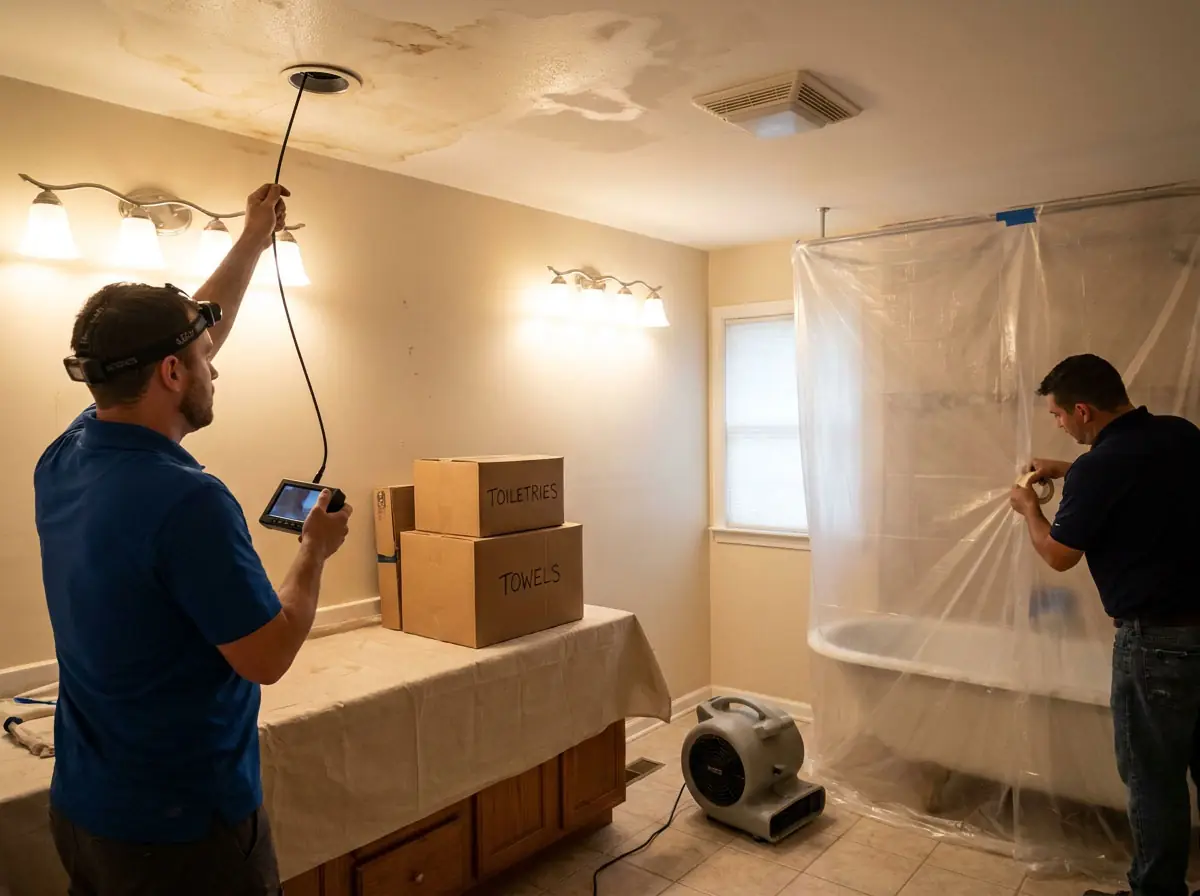
- Bubbling or blistering paint: Water trapped underneath pushes the surface outward like a balloon about to pop.
- Yellowish-brown stains spreading in a spiderweb pattern: Rust from hidden leaks often gives it away first.
- Sagging or bulging sections: Plaster or drywall sags under the weight of soaked material. This one's a countdown to collapse.
- Peeling wallpaper or cracking seams: Moisture warps everything it touches.
Mold growth adds a fuzzy black or green layer. And don't forget the drip. Even a slow one signals active invasion from above.
Listen up too. A musty odor wafting from your ceiling means rot's setting in. Touch it gently. Soft spots yield like wet sponge, confirming the worst.
Why Ignoring Ceiling Water Damage is a Costly Mistake
That yellow stain might look harmless now. But let it sit, and your ceiling could cave in during the next Pueblo thunderstorm. Suddenly, you're dealing with collapsed drywall, ruined furniture, and emergency calls at 2 a.m.
Water spreads fast behind the scenes. It weakens joists and invites mold that hits your lungs and wallet hard. Pueblo's humid summers make it worse—fix it quick or watch repair bills skyrocket from hundreds to thousands.
Hidden Costs That Pile Up Fast
- Structural failure: Sagging leads to full collapse, needing total replacement.
- Mold invasion: Health risks plus remediation fees eating 30% more of your budget.
- Insurance hikes: Claims spike premiums; neglect voids coverage entirely.
- Resale nightmare: Buyers bolt from water-damaged homes, tanking your property value.
One ignored drip turns into a domino effect. Pueblo pros see it daily—homeowners paying triple after waiting too long. Act now, save big later.
DIY Steps for Safe Initial Assessment and Temporary Fixes
Step 1: Prioritize Safety Before You Touch Anything
Your safety comes first. Kill the power to the affected area at the breaker box. Never risk electrocution from hidden wires in wet plaster.
Grab a sturdy ladder and a flashlight. Poke gently with a broom handle to test for give, but don't climb up there if it sags.
Step 2: Spot the Source and Contain the Drip
Look above the stain for clues. Check your attic for roof leaks, or upstairs bathrooms for pipe issues common in Pueblo's older homes.
- Place a bucket under the drip to catch water.
- Cover the floor with tarps or old sheets.
- Tape plastic sheeting over the bulge if it's small, using painter's tape to avoid paint damage.
Step 3: Quick Temporary Patch to Buy Time
Cut a small relief slit in the lowest part of the bulge with a utility knife. Let water drain into your bucket.
Stuff a rag or sponge in the hole to slow more leaks. This holds for 24-48 hours max, then call pros.
The Professional Repair Process: From Inspection to Restoration
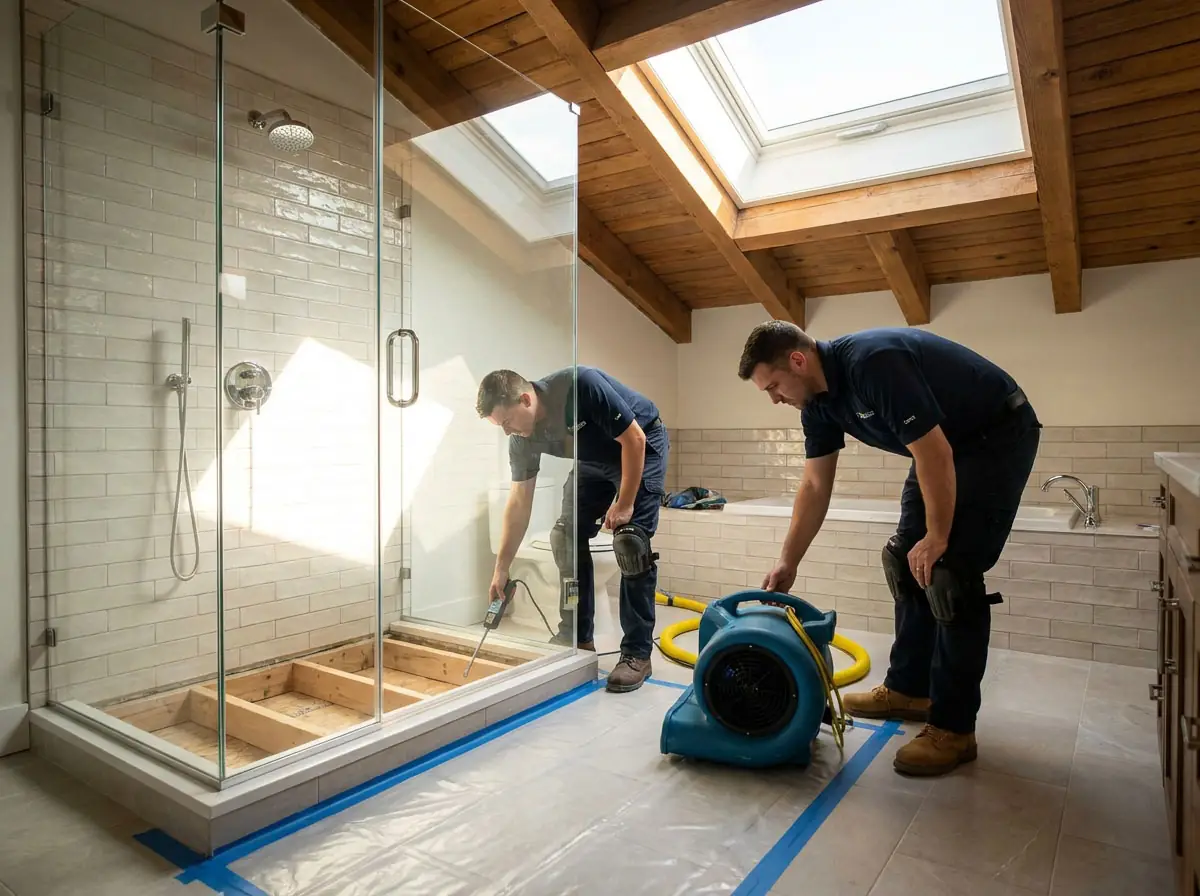
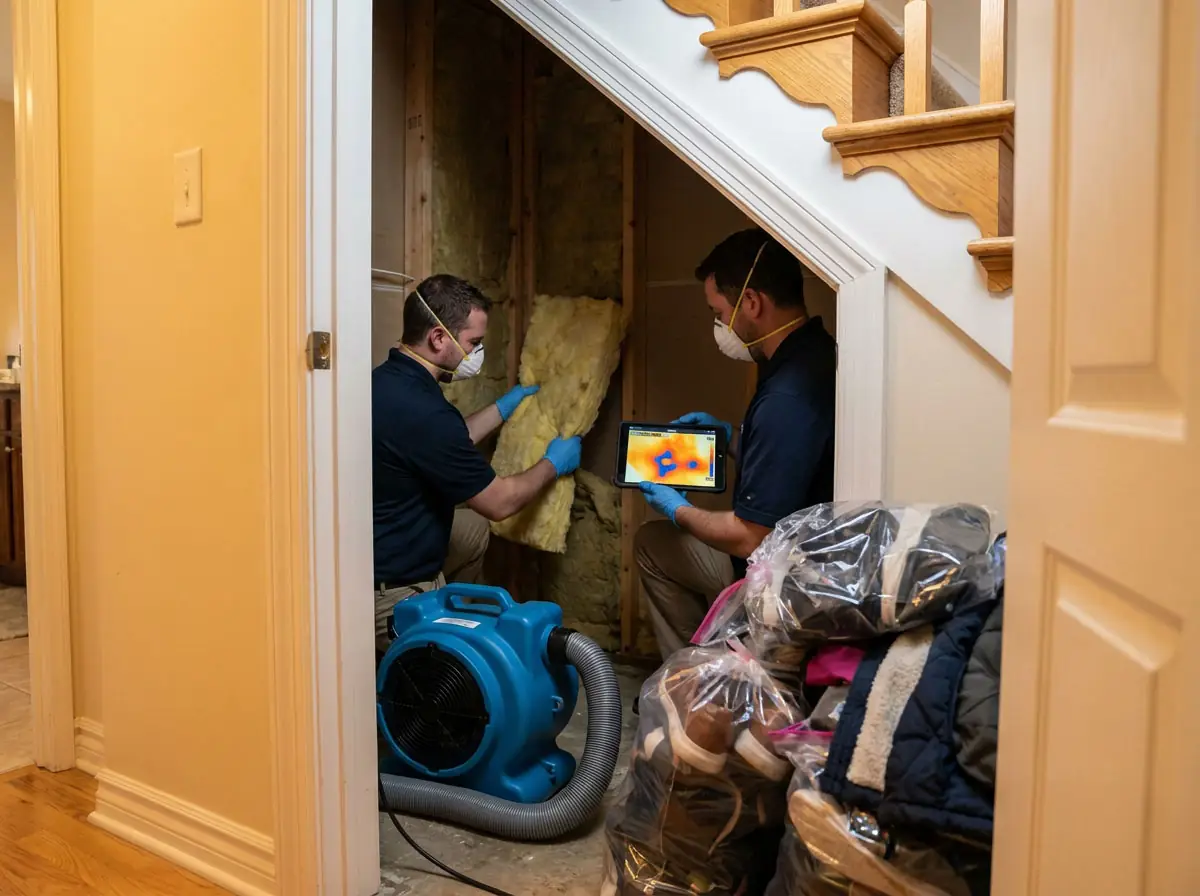
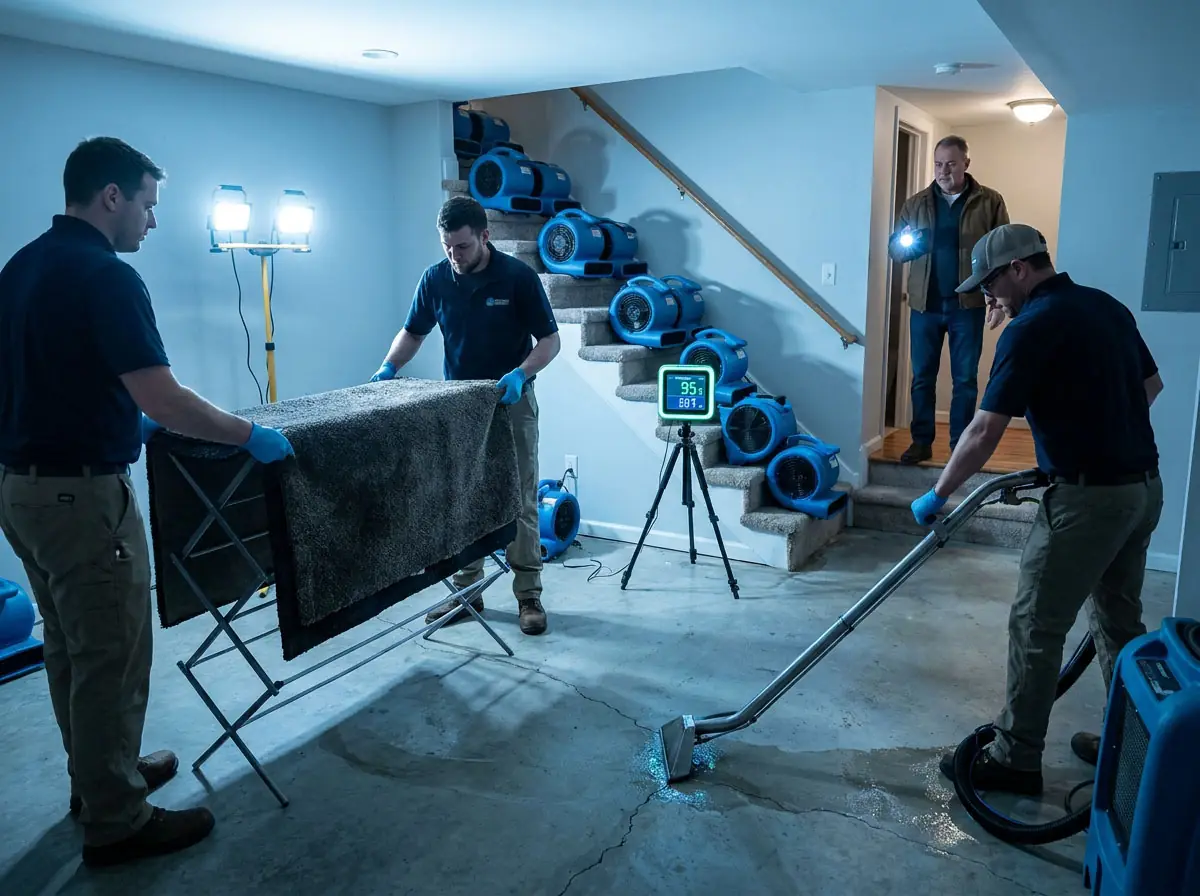
Call in the pros the second you spot trouble. They start with a full inspection using moisture meters and thermal cameras to pinpoint the leak source and damage extent. No guesswork, just facts that guide every move.
Step 1: Contain and Extract
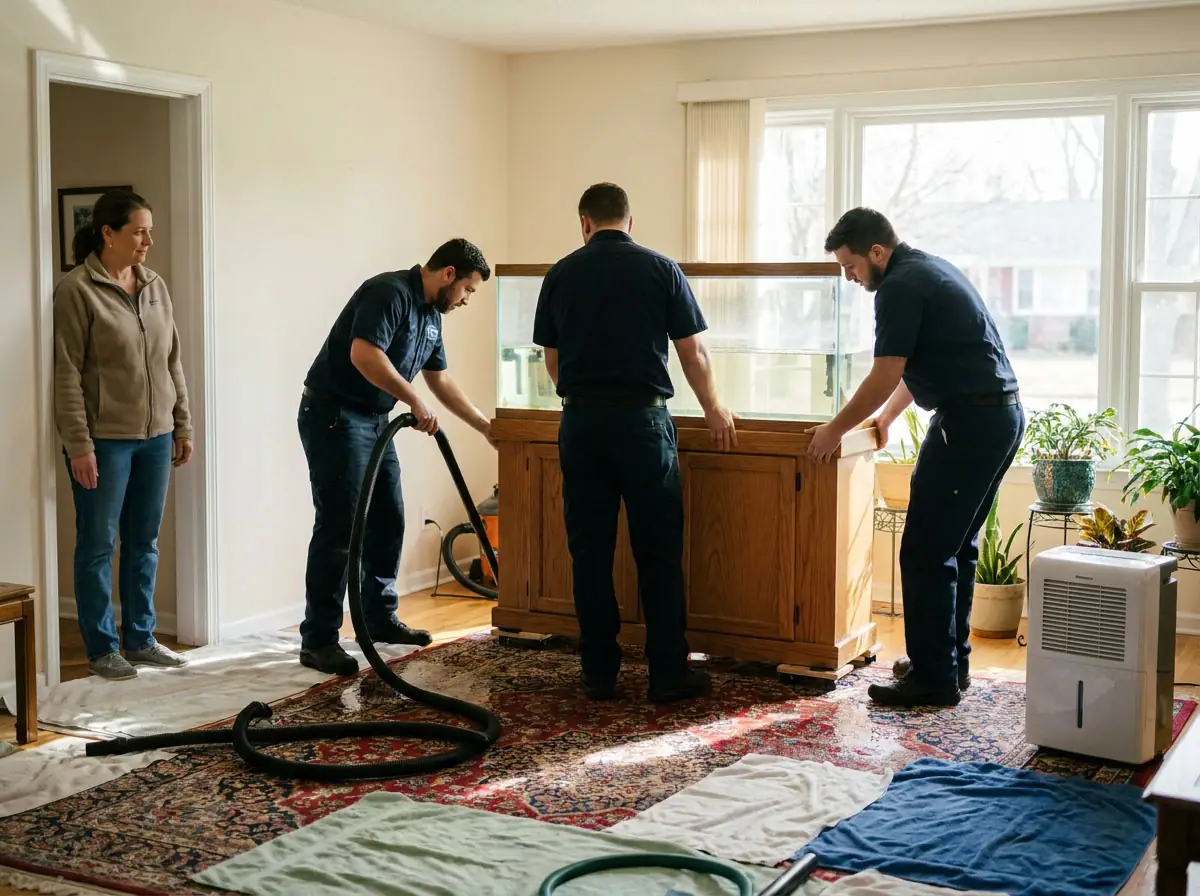
Water gets sucked out fast with industrial pumps and dehumidifiers. They cut away soaked drywall to stop mold from taking hold. Your home stays dry, safe, and livable from hour one.
- Seal off the area to prevent spread.
- Remove standing water in minutes.
- Air movers kick in to dry hidden spots.
Step 2: Repair and Restore
Once dry, they patch the ceiling with new materials matched to your home's look. Roof or pipe fixes happen next if needed. Finish with fresh paint, and your ceiling looks brand new, stronger than before.
Pueblo teams handle monsoon aftermaths like clockwork. Expect the job done in days, not weeks, with warranties that back it up. Skip the DIY headaches, get results that last.
Case Study: Rescuing a Pueblo Home from Imminent Ceiling Collapse
Meet Sarah, a busy mom in Pueblo's Sunset neighborhood. Last spring, after a brutal monsoon, she spotted a yellow stain on her kitchen ceiling. She wiped it off and forgot about it—until chunks of plaster started raining down during dinner one night.
By the time she called us, the ceiling sagged three inches in the center. Water had soaked the insulation, weakening the joists. One more heavy rain, and the whole thing would've crashed.
Our Rapid Response Plan
- Day 1 Inspection: Traced the leak to a cracked roof flashing around the chimney. Set up containment tarps below to catch drips.
- Day 2 Extraction: Cut out the damaged plaster, dried the area with industrial fans and dehumidifiers. No mold spread.
- Day 3-5 Repair: Fixed the roof, reinforced joists, and matched new drywall to her vintage home's look. Seamless finish.
Sarah's total bill? Under $4,500—half what a full replacement would've cost. Her kitchen's solid now, and she sleeps easy through storm season. True story, straight from our files.
Final Thoughts
Ceiling water damage in Pueblo waits for no one. That drip today becomes a downpour tomorrow. Act fast, or pay big.
Spot the signs we covered? Grab your phone now. Our team handles ceiling water damage repair from top to bottom, saving your home and sanity.
Quick Action Checklist
- Shut off water if you can trace the source.
- Tarp the area to catch drips.
- Call pros in Pueblo before it worsens.
Don't let a small leak wreck your roofline. We've fixed hundreds like yours. Your ceiling stays solid when you move quick.
People Also Ask
How do I know if my ceiling has water damage in Pueblo?
Look for discolored patches, bubbling paint, sagging areas, or peeling wallpaper on your ceiling, which are common indicators of water intrusion. In Pueblo's variable climate, these signs often appear after heavy rains or snowmelt. If you notice musty odors or soft spots when touched, contact a local water damage expert immediately to prevent further issues.
What causes ceiling water damage in Pueblo homes?
Common causes include roof leaks from Pueblo's intense hail storms, plumbing failures above the ceiling, and HVAC condensation buildup. Aging roofs and poor attic ventilation exacerbate the problem in our high-desert environment. Identifying the source quickly is crucial to avoid structural damage.
Can I fix ceiling water damage myself in Pueblo?
Minor surface issues might allow for DIY drying and patching, but deeper damage requires professional assessment to ensure safety and prevent mold. Attempting DIY on sagging ceilings risks collapse, especially in older Pueblo homes. Always prioritize safety and call certified restorers for thorough repairs.
How much does ceiling water damage repair cost in Pueblo, CO?
Costs typically range from $500 to $4,500 depending on the damage extent, source repair, and ceiling size in Pueblo properties. Factors like mold remediation or structural reinforcement can increase expenses. Get a free inspection from local experts for an accurate quote tailored to your home.
How long does it take to repair water-damaged ceilings in Pueblo?
Repairs usually take 3-7 days, starting with water extraction and drying, followed by repairs and repainting. In Pueblo's dry climate, drying is faster, but extensive damage may extend timelines. Professional teams ensure efficient restoration to minimize disruption.

Peter Clark is a fire, water, and mold cleaning specialist with over 12 years of experience serving residential and commercial buildings in Pueblo, CO. He applies his expertise to address local water damage challenges effectively. Bob focuses on thorough restoration to protect Pueblo properties.
Need Water Damage?
Swift water damage restoration in Pueblo, CO and nearby areas (81001, 81003, 81004, 81005, 81006), restoring properties fast to prevent mold and structural issues.
Get Water Quote