

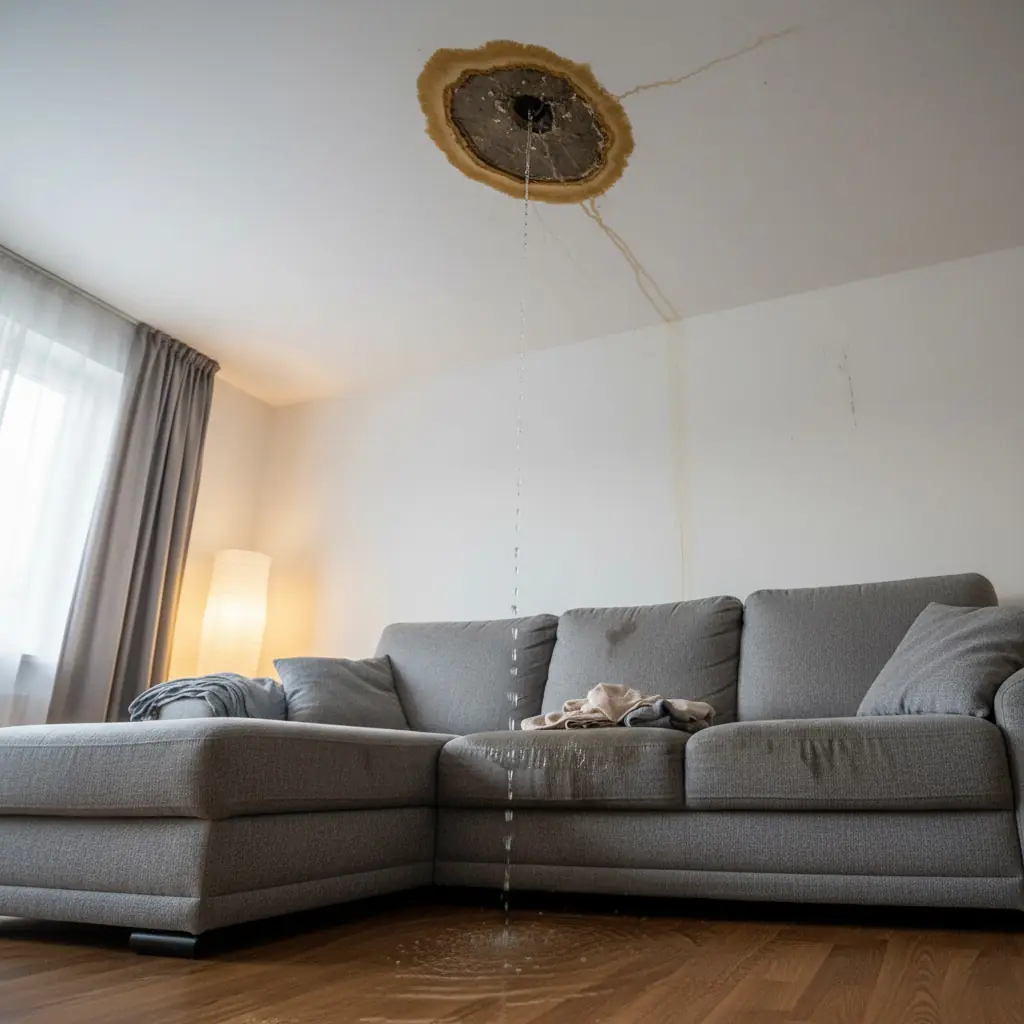


⚡ TL;DR: Discover Pueblo's practical secrets for Crawl Space Water Removal, tackling clay soil floods with signs to spot, safe inspections, drying tools like dehumidifiers and French drains, and lasting prevention tips.
📋 What You’ll Learn
In this guide to crawl space water removal in Pueblo, CO, you’ll uncover why clay soil causes floods, detection signs, inspection methods, drying techniques, prevention tips, and a local case study.
- Uncover Pueblo's clay soil flood risks and how expansive soils turn crawl spaces into swamps, threatening foundations, inviting mold, and weakening home structures over time.
- Spot early flooding signs fast from musty smells, sagging floors, and wall cracks, plus immediate steps to halt damage before professional help arrives on scene.
- Master safe step-by-step inspections using tools to reveal hidden water without risky entry, pinpointing issues in Pueblo's tight, moisture-prone crawl areas effectively.
- Learn proven drying secrets like dehumidifiers, French drains, and encapsulation tailored for Pueblo homes to restore dryness and prevent recurring water woes.
- Get prevention pro tips plus a case study of rescuing a historic Pueblo home from collapse, ensuring long-term crawl space protection.
📖 Reading time: 8 min
✍️ Author expertise: Pueblo water damage pro with 15 years of hands-on crawl space drying in local clay soil homes.
Imagine this: you're kicking back in your Pueblo rancher after a brutal monsoon, when a faint, sour stench starts wafting up from the floorboards. Down in the crawl space, inches of murky water sit stagnant, silently chewing through your foundation and inviting mold to the party.
Most folks ignore it until the floors buckle or the electrician calls with bad news. But here in Pueblo, where clay soil swells like a sponge after rain, we've cracked the code on sucking that water out fast—without tearing your house apart.
These aren't tricks; they're battle-tested moves from years of battling High Plains floods. Keep reading to grab the drying secrets that save Pueblo homeowners thousands in repairs.
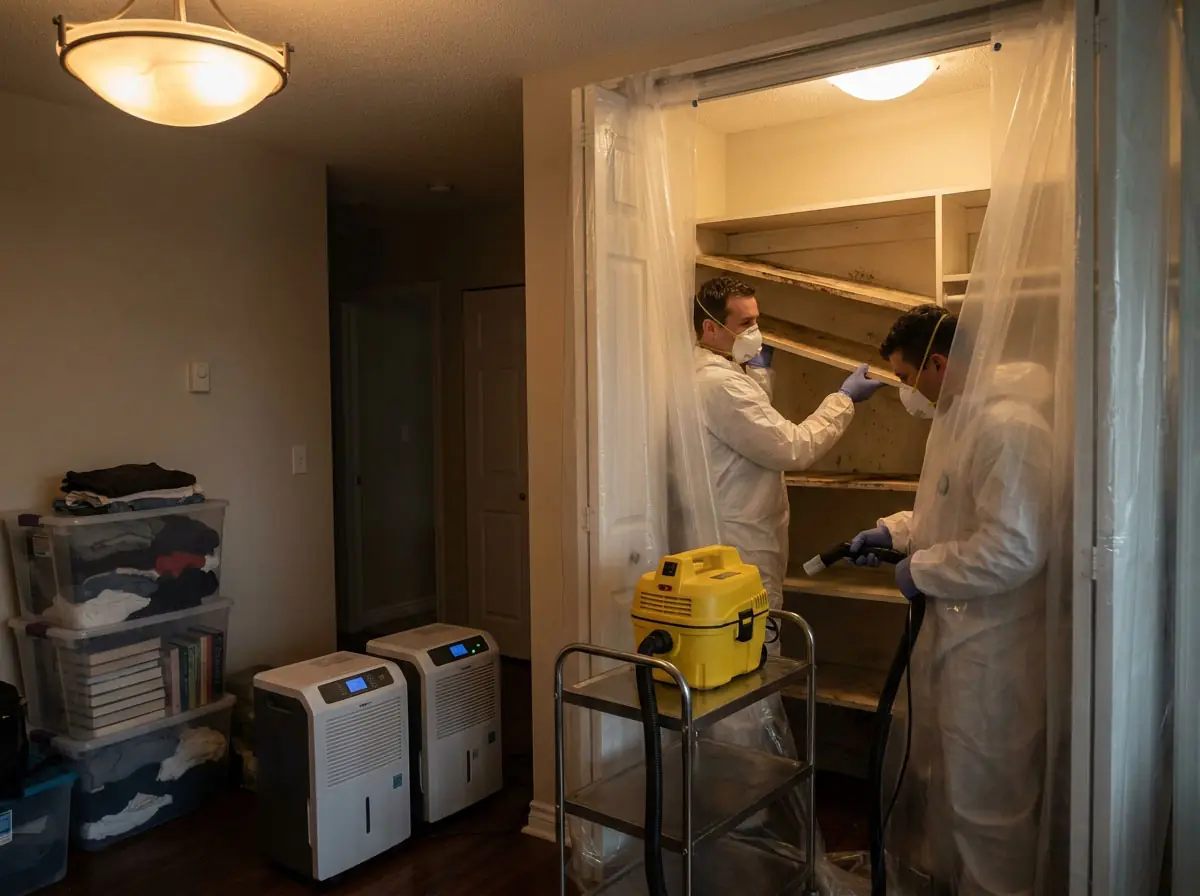
Why Pueblo's Clay Soil Turns Crawl Spaces into Swamps
Pueblo sits on a bed of expansive clay soil. This stuff grabs water like a greedy sponge during our summer monsoons. When it swells, your crawl space turns into a hidden swamp overnight.
Here's the kicker: that clay barely lets water escape. It traps moisture right against your foundation walls. Result? Constant dampness that rots joists and breeds nasty critters.
- Clay expands up to 30% when soaked – pushing slabs and cracking walls.
- Poor drainage means puddles linger for weeks after a single storm.
- High Plains winds dry the surface fast, but underground? It's a soggy mess.
Locals know the drill. One heavy rain, and your ranch-style home feels the squeeze. Ignore it, and you're staring at thousands in structural fixes.
Key Signs Your Crawl Space is Flooded (And What to Do First)
That funky smell creeping through your vents? It's the first red flag. Crawl space water doesn't shout; it whispers through musty odors and sticky indoor air.
Spot These Dead Giveaways Before It's Too Late
- Warped or squeaky floors that feel spongy underfoot.
- Sudden spikes in your AC bills from runaway humidity.
- Mold streaks on walls or baseboards, or critters like termites showing up uninvited.
- Cold, clammy spots on your flooring, especially after Pueblo's summer storms.
Ignore these at your peril. Waterlogged joists weaken fast in our clay-heavy ground.
First move: stay out of the crawl space. Poke around with a flashlight from the access door instead. Snap photos, note the depth, then shut the door tight to trap moisture inside.
Grab a dehumidifier for the house above if you have one running. But dial pros now. Pueblo's soil shifts quick; waiting turns a puddle into a foundation killer.
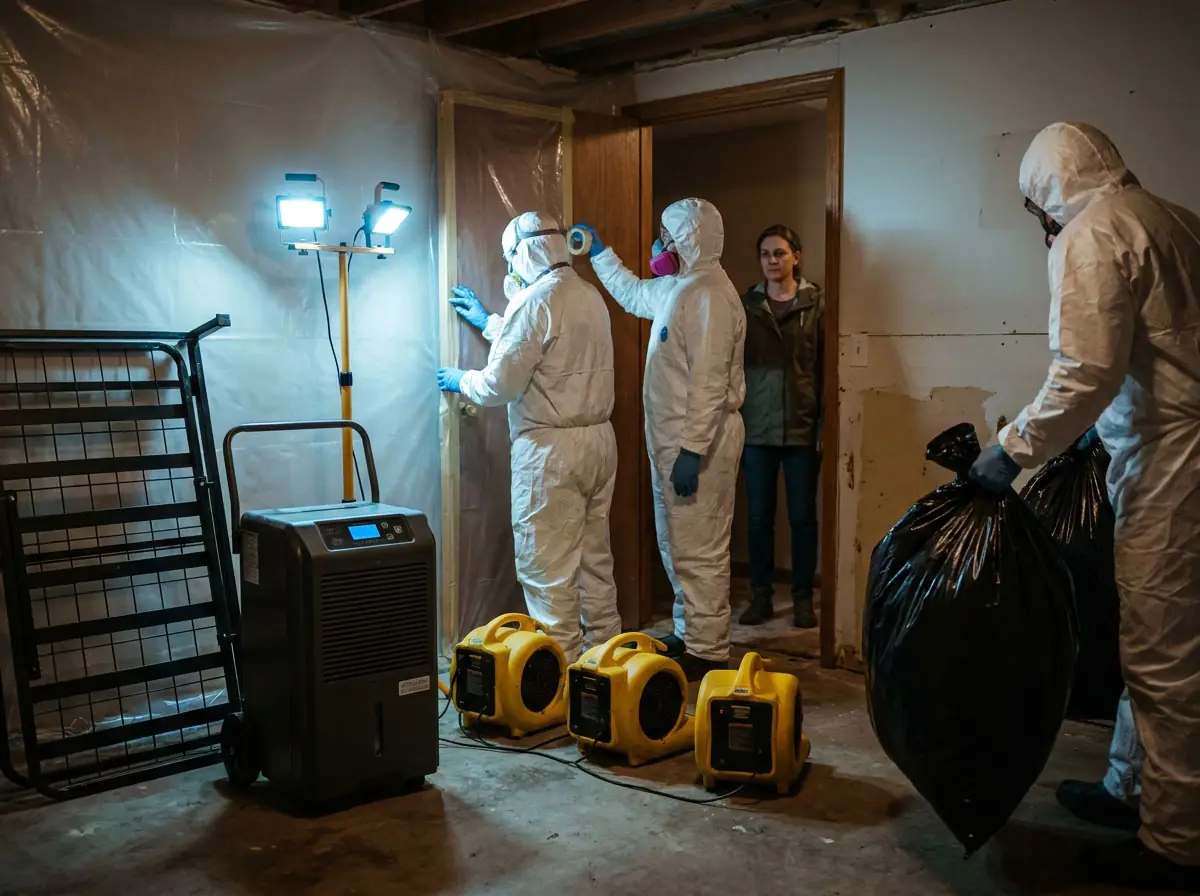
Step-by-Step Inspection: Uncover Hidden Water Without Digging In
Grab a flashlight and peek into that access door. No need to crawl in blind. Spot standing water, dark stains on walls, or puddles reflecting your light right away.
Sniff around next. That musty, earthy smell screams trapped moisture. If it's hitting you hard, water's lurking below.
Quick Tools for the Win
- Moisture meter: Poke it into wood beams from the edge. Readings over 20%? Flood alert.
- Thermal camera app on your phone: Cool spots show wet zones glowing different.
- Efflorescence check: White, crusty salt buildup on concrete means water's wicked up.
Listen close too. Step lightly near vents; squishy sounds underfoot point to saturated soil. Document everything with photos. If it's bad, call us before mold crashes the party.
Pueblo's Top Drying Secrets: From Dehumidifiers to French Drains
Here's the real magic. We hit crawl space water with a one-two punch: pull it out fast, then keep it gone forever. No guesswork. Just proven gear that works in Pueblo's sticky clay.
Dehumidifiers: Your First Line of Attack
Drop in a heavy-duty commercial dehumidifier pronto. These beasts suck 70 pints of moisture a day from the air alone. Set it low, run it 24/7, and watch standing water vanish in days.
- Position near the worst wet spot for max pull.
- Empty the tank or hook to a drain line. No spills.
- Pair with fans to move air. Speeds things up double.
French Drains: The Permanent Fix
Once dry, dig a trench around the perimeter. Line it with gravel and perforated pipe. Slope it to daylight or a sump pump. Water from that swelling clay? It flows right out.
Costs less than foundation jacks, lasts decades. We've installed hundreds here after monsoons. Homeowners sleep easy, no more musty smells creeping up.
Bonus move: Seal the vapor barrier tight. Tape every seam. Blocks ground moisture cold. Combine these, and your crawl space stays bone-dry through Pueblo's wildest storms.
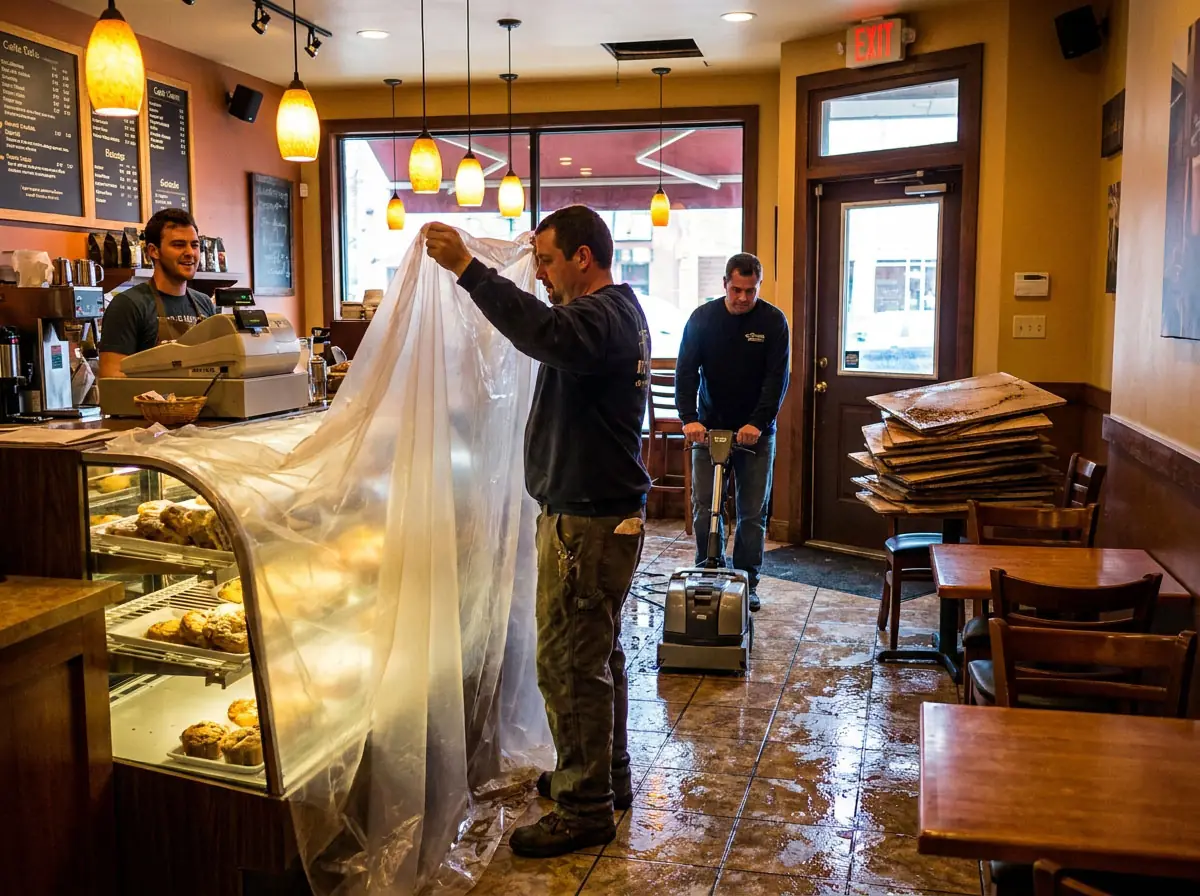
Pro Tips for Prevention – Keep Water Out for Good
Listen up, Pueblo homeowner. You don't have to call us every monsoon if you get ahead of the game. These dead-simple fixes stop water before it sneaks under your house.
Fix Your Gutters and Grading First
Clogged gutters dump rain straight toward your foundation. Clean 'em twice a year, then extend downspouts at least 5 feet from the house.
Next, check your yard slope. Water should run away from the house, not toward it. Add dirt if needed – a 6-inch drop over 10 feet does the trick.
- Install gutter guards to cut cleaning time in half.
- Regrade with native soil for Pueblo's heavy clays.
- Test with a hose: no pooling means you're golden.
Seal the deal with a heavy-duty vapor barrier. Lay 6-mil plastic over your crawl space dirt floor, taped at the edges. It blocks soil moisture cold.
Case Study: Saving a Historic Pueblo Home from Total Collapse
Picture a 1920s bungalow in Pueblo's historic Union Avenue district. The owners noticed sagging floors and a musty smell after last summer's downpours. Down below, their crawl space held 8 inches of standing water, thanks to that infamous clay soil sucking up monsoon rain like a blotter.
We got the call on a Friday night. First move: quick inspection with a borescope camera. No digging required. Water had pooled against the foundation walls, rotting joists and spawning black mold.
- Deployed industrial dehumidifiers overnight to drop humidity by 60%.
- Installed temporary sump pumps to clear the bulk water.
- Injected foam sealant into cracks for an instant barrier.
By Monday, we layered in a French drain system tied to the city's storm sewer. Added vapor barrier and gravel base for long-term protection. Six months later, the floors leveled out. No mold. Homeowners saved $45,000 versus full foundation rebuild.
That bungalow stands tall today. Proof positive: act fast, use the right tools, and Pueblo's clay won't win.
Final Thoughts
Crawl space water doesn't stand a chance when you hit it head-on with Pueblo-proven tactics. You've got the signs, the inspection steps, and those killer drying secrets right here.
But why wait for the next storm to test your luck? Spot water now, act fast, and protect your home's bones before they crack.
Quick Action Plan
- Grab a flashlight. Peek under the house today.
- Call pros for crawl space water removal if it's bad.
- Install that French drain. Sleep easy through monsoons.
One flooded crawl space can snowball into a nightmare. Beat it at the door. Your Pueblo rancher deserves it.
People Also Ask
How do you dry a flooded crawl space in Pueblo?
In Pueblo's humid climate, start by removing standing water with powerful pumps, then use industrial dehumidifiers and high-velocity fans to circulate air and evaporate moisture. Our team monitors humidity levels with specialized meters to ensure complete drying, preventing mold growth. Professional encapsulation with vapor barriers seals out future moisture from clay soil shifts.
What causes water in crawl spaces in Pueblo, CO?
Pueblo's expansive clay soils swell with rain, cracking foundations and allowing groundwater intrusion into crawl spaces. Poor drainage, leaky pipes, and heavy monsoons exacerbate flooding under homes. Identifying these local issues early through inspection prevents swamp-like conditions.
Is crawl space water removal expensive in Pueblo?
Costs vary from $1,500 to $5,000 based on water extent, access, and repairs like French drains, but early action saves thousands in structural damage. Pueblo experts offer free assessments to provide accurate quotes tailored to clay soil challenges. Insurance often covers professional removal, reducing out-of-pocket expenses.
Can I fix crawl space water damage myself?
DIY efforts like shop vacs often miss hidden moisture, leading to mold and wood rot in Pueblo's variable weather. Professionals use infrared cameras and moisture meters for thorough detection and drying. Attempting fixes without expertise risks health hazards and further damage.
How long does it take to dry a crawl space after flooding?
Drying typically takes 3-7 days with commercial equipment, depending on water volume and ventilation in Pueblo homes. Continuous monitoring ensures levels drop below 15% to avoid warping floors or beams. Follow-up treatments like antimicrobial sprays protect against regrowth.

Peter Clark is a fire, water, and mold cleaning specialist with over 12 years of experience serving residential and commercial buildings in Pueblo, CO. He focuses on thorough restoration and remediation to protect properties from water damage and related issues. Deeply rooted in the Pueblo community, Bob delivers reliable expertise tailored to local needs.
Need Water Damage?
Swift water damage restoration in Pueblo, CO and nearby areas (81001, 81003, 81004, 81005, 81006), restoring properties fast to prevent mold and structural issues.
Get Water Quote