
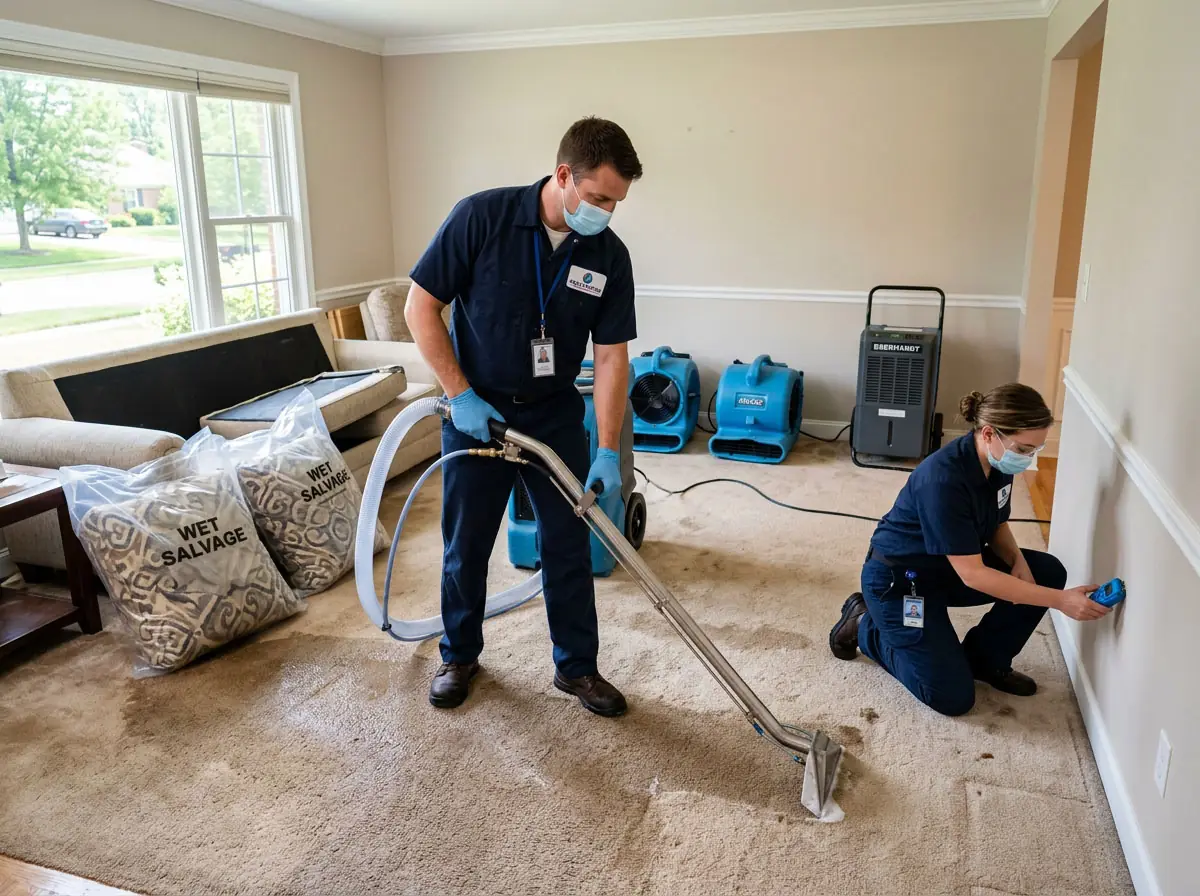


⚡ TL;DR: Discover why speedy Structural Drying Services matter in Pueblo, CO, to avert mold, rot, and structural issues worsened by the local climate.
📋 What You’ll Learn
In this guide to structural drying in Pueblo, you’ll uncover why speed is essential, hidden risks of delays, local climate challenges, pro techniques, and a real Pueblo recovery story.
- Grasp what structural drying means and when Pueblo homes need it urgently after floods, bursts, or storms to safeguard walls, floors, and foundations effectively.
- Uncover dangers of slow drying like rampant mold growth, wood rot, weakened beams, and costly structural failures that threaten your property's integrity over time.
- Learn why Pueblo's climate demands speed as high humidity and temperature swings amplify water damage, making rapid drying vital to prevent escalation in our arid region.
- Explore pro drying processes and tools from assessment to air movers, dehumidifiers, and monitoring, plus a case study of a revived local ranch home post-flood.
📖 Reading time: 7 min
✍️ Author expertise: Pueblo water damage pro with 15 years of hands-on structural drying experience.
Your Pueblo home just took a hit from a brutal summer storm. Water's everywhere, soaking into walls, floors, and hidden cavities faster than you can grab a mop. One wrong move, and that innocent flood turns into a mold factory or worse, a crumbling foundation.
In structural drying, every hour counts like a ticking bomb. Slow response lets moisture burrow deep, weakening beams and inviting rot that repair crews dread. We've seen homes in Pueblo bounce back because pros hit it hard and fast.
Speed isn't just smart. It's the line between a quick fix and a nightmare rebuild. Keep reading to uncover the exact steps that make structural drying in Pueblo a game-changer for your property.
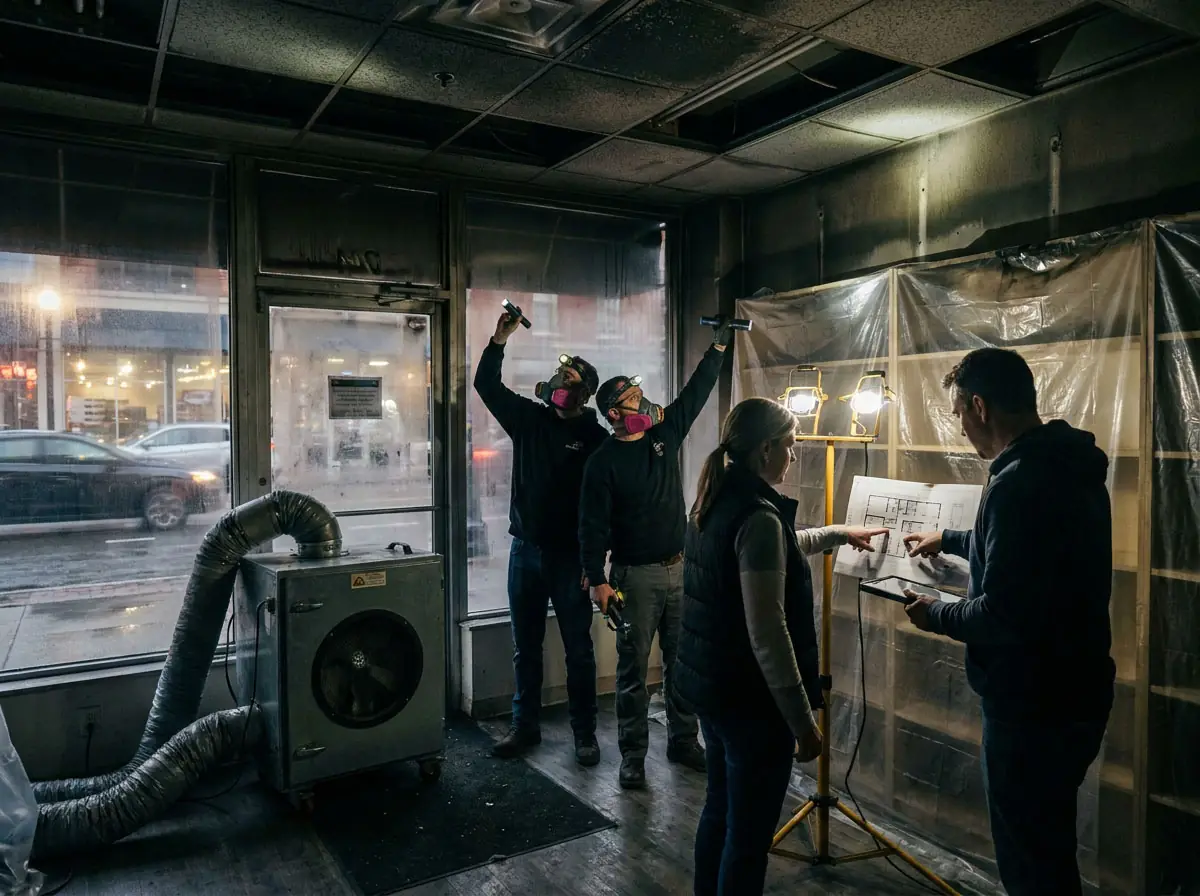
What Exactly is Structural Drying and When Do You Need It in Pueblo?
Structural drying targets the deep moisture trapped in your home's bones. Think walls, floors, ceilings, and even insulation. Pros use air movers, dehumidifiers, and thermal imaging to suck out every drop before damage sets in.
You need it fast after any water intrusion hits Pueblo homes. Burst pipes from frozen winters. Roof leaks during monsoon season. Or flash floods from those sudden Rocky Mountain downpours.
Spot the signs early:
- Soggy carpets that squish underfoot.
- Warped hardwood floors buckling up.
- Stains creeping across drywall.
- A musty smell that won't quit.
Ignore these, and you're playing with fire. In Pueblo, one call to experts flips the script from disaster to dry.
The Hidden Dangers of Delayed Drying: Mold, Rot, and Structural Failure
Picture this: water sits in your walls for 48 hours. Mold spores explode into growth. They spread fast, turning your Pueblo home into a health hazard.
Breathing that stuff? Coughs, allergies, worse for kids and the elderly. One delay, and you're calling doctors, not just restorers.
Wood Rot Creeps In Quietly
- Wet wood loses strength in days.
- Beams soften, floors sag.
- By week two, replacement is your only option.
We've ripped out joists that snapped underfoot. Delay feeds the enemy.
Structural failure hits hardest. Foundations crack. Walls bow. A small leak becomes a total gut job costing tens of thousands.
In Pueblo's humid spells, this nightmare accelerates. Act now, or pay forever.
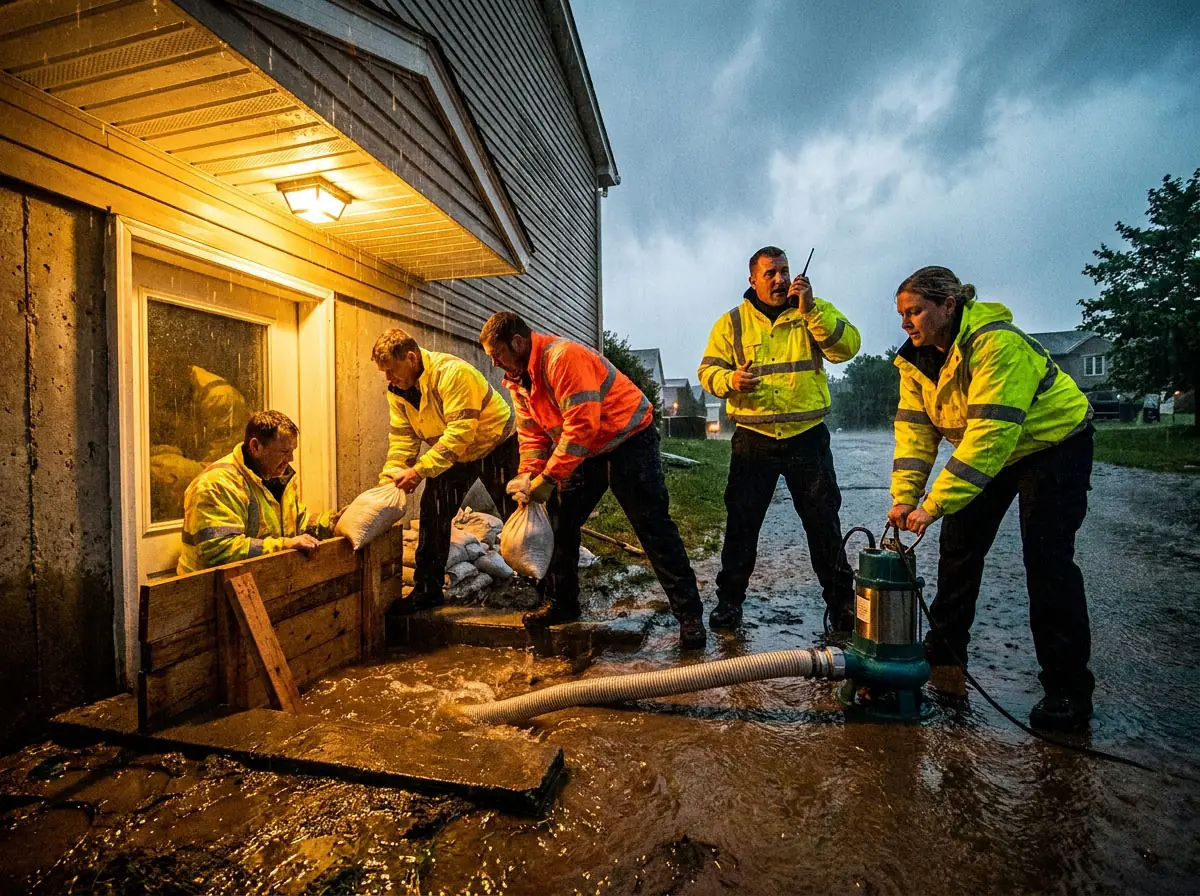
Why Pueblo's Climate Makes Speed Even More Critical for Water Damage
Pueblo sits smack in the path of wild weather swings. Think scorching summer days pushing 100 degrees, then sudden monsoon downpours dumping inches of rain in hours. That heat cranks up evaporation outside, but inside your soaked walls? Moisture hangs around like a bad guest.
High temps turbocharge mold spores. They double every 20 minutes above 80 degrees. Wait a day in Pueblo's summer furnace, and you've got a full-blown outbreak burrowed into drywall and wood studs.
Key Climate Kickers That Demand Lightning-Fast Drying
- Monsoon humidity spikes: Turns low-desert air muggy, trapping water vapor indoors for days.
- Freeze-thaw cycles in fall: Leftover dampness expands into ice, cracking beams before you notice.
- Wind-whipped storms: Push water deeper into cavities, where our dry air fools you into thinking it's gone.
Locals know: one delayed call after a flash flood, and rot sets in faster than in muggy spots like Denver. Hit it quick, or pay big later.
Step-by-Step Process: How Pros Achieve Rapid Structural Drying
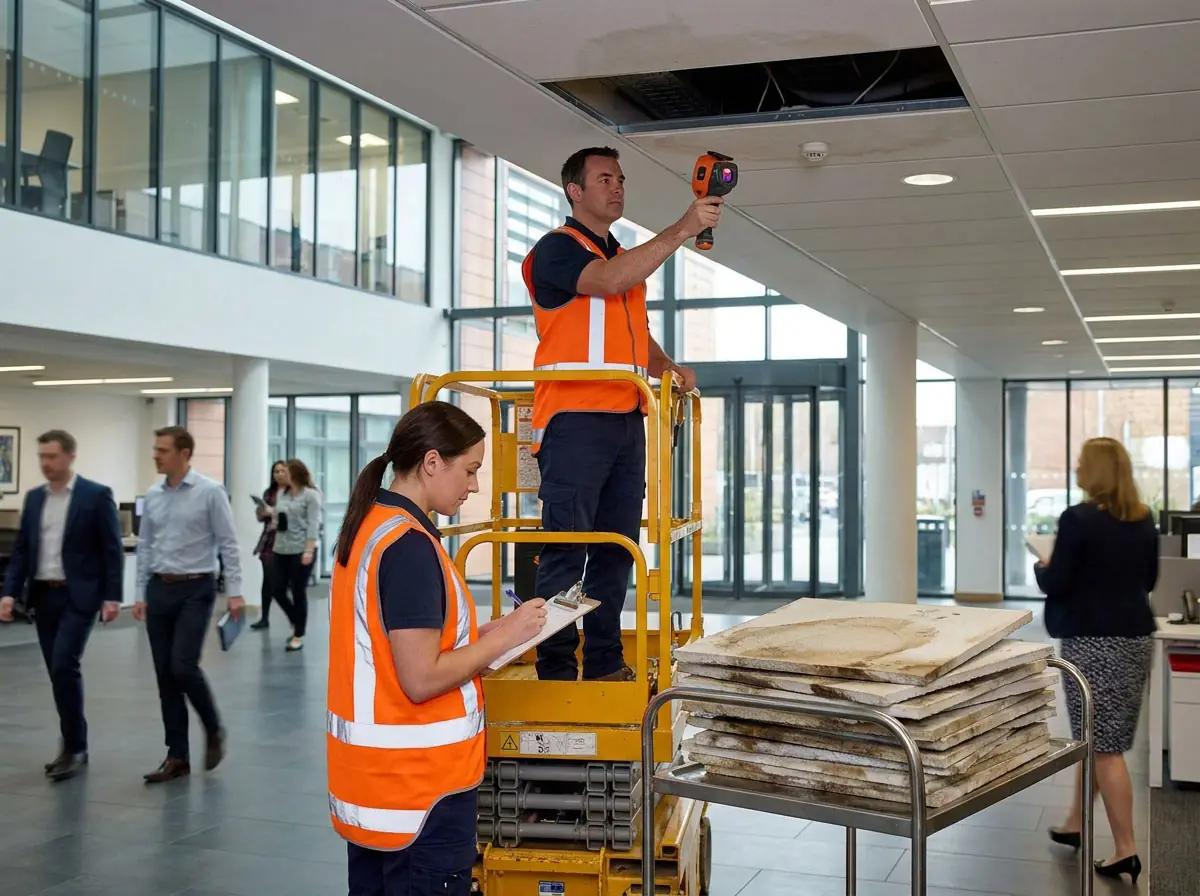
Pros don't waste a second. They start with a lightning-fast assessment, using moisture meters and thermal cameras to map every soaked spot in your Pueblo home. This pinpoints hidden water in walls, ceilings, and crawlspaces before it spreads.
Step 1: Aggressive Water Extraction
Truck-mounted pumps suck out gallons of standing water fast. No buckets or shop vacs here. We clear the bulk so drying can kick in right away.
- Target floors, carpets, and low spots first.
- Follow up with powerful extractors for deep saturation.
Step 2: Power Up Air Movers and Dehumidifiers
Dozens of high-velocity air movers blast air across wet surfaces, speeding evaporation. Industrial dehumidifiers pull moisture from the air like a vacuum. Psychrometrics guide every adjustment – temperature, humidity levels dialed in perfectly.
We monitor progress every few hours with data loggers. Adjustments happen on the fly to crush drying times. By day two or three, your structure hits safe moisture levels, dodging rot and mold.
Essential Tools and Techniques for Effective Structural Drying
Powerhouse Equipment That Gets the Job Done Fast
Pros in Pueblo rely on industrial-grade air movers to blast high-velocity airflow across wet surfaces. These beasts create turbulence that pulls moisture right out of pores in wood and drywall. Without them, drying drags on for days.
Pair those with desiccant or refrigerant dehumidifiers. They suck humidity from the air like a vacuum, dropping levels below 15% RH in no time. We've clocked them slashing dry times by half in sticky post-flood basements.
- Moisture meters: Pin and pinless types probe deep for hidden saturation.
- Thermal imaging cameras: Spot cool, damp zones behind walls without demolition.
- Infrared thermometers: Track surface temps to confirm even drying.
Pro Techniques That Seal the Deal
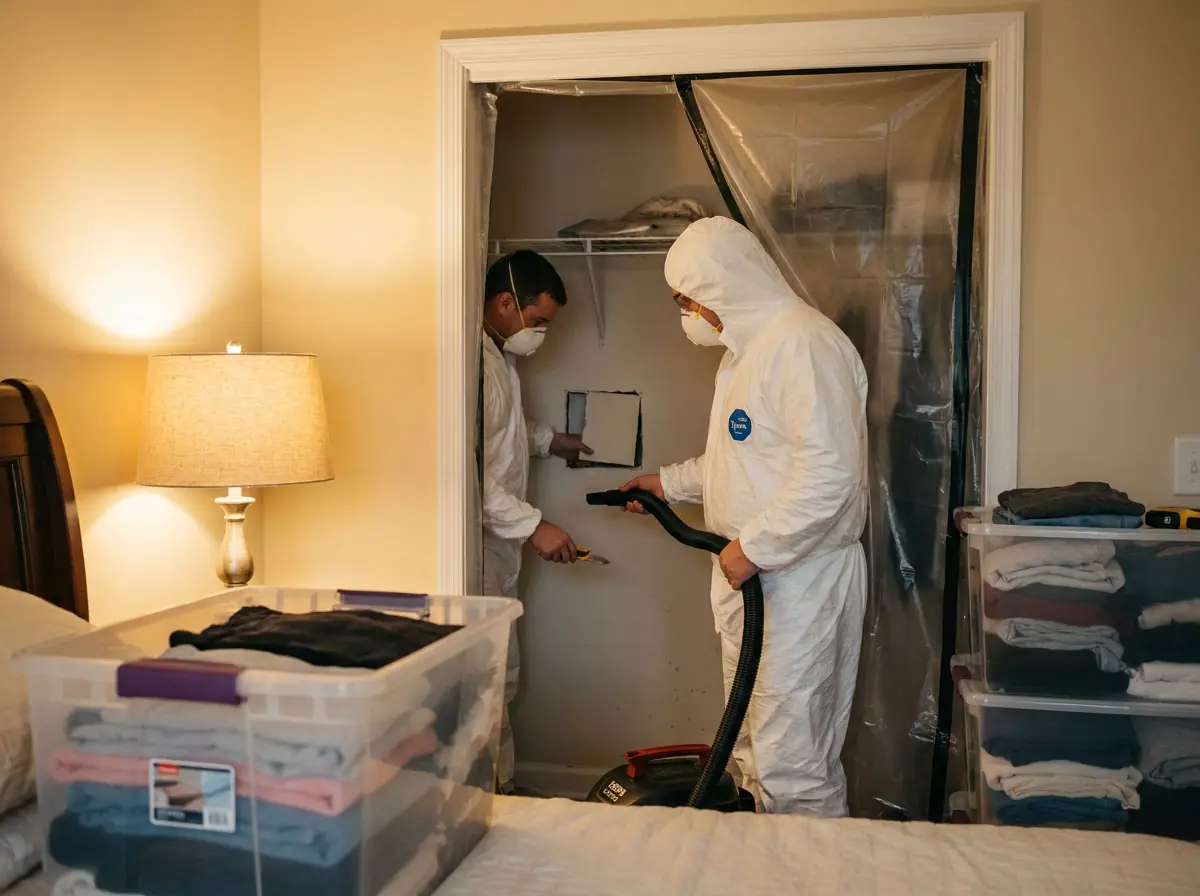
Wall cavity drying starts with injecting air through strategically drilled holes. This pushes dry air into voids where water hides, forcing it out the top. Skip this, and rot festers unseen.
Psychrometric monitoring ties it all together. We measure temperature, humidity, and dew point hourly, tweaking equipment on the fly. It's science meets gut instinct for results you can trust.
Case Study: Reviving a Pueblo Ranch Home After Severe Storm Flooding
Picture this: A classic Pueblo ranch-style home on the outskirts gets slammed by a freak summer downpour. Water poured through the roof and seeped into every crack, turning the place into a soggy mess overnight. The owners panicked when floors warped and walls felt spongy to the touch.
The Rush to Action
We got the call at dawn. Within hours, our crew swarmed the site with moisture meters screaming high readings in the studs and subfloor. Hidden cavities held gallons of water, threatening total collapse if ignored.
- Day 1: Removed baseboards, drilled pilot holes, and injected air movers everywhere.
- Day 2: Deployed industrial dehumidifiers pulling 200 pints daily, dropping humidity fast.
- Day 3: Verified dry with thermal imaging—no moisture pockets left.
Six days later, the home stood solid. No mold took root. The family moved back in without a full gut job, saving tens of thousands. Proof that lightning-fast structural drying flips disaster into victory right here in Pueblo.
Final Thoughts
Water damage doesn't wait. In Pueblo, that storm flood can wreck your home's bones before you blink. Call in pros who know structural drying inside out.
We've pulled homes back from the brink time and again. Speed crushes hidden threats like mold and rot. Your property deserves that edge.
- Spot water? Shut off power. Move what you can.
- Then dial experts for rapid drying.
- Check our Structural Drying Services to see how we deliver.
Don't gamble with delays. Act now. Your home's future hangs on it.
People Also Ask
What is structural drying in water damage restoration?
Structural drying is a specialized process that removes moisture from building materials like walls, floors, and ceilings after water damage. It uses advanced equipment to ensure hidden moisture is eliminated, preventing long-term issues. In Pueblo, CO, professional services target the unique challenges of local homes to restore safety and integrity quickly.
Why is speed crucial in structural drying after flooding?
Speed in structural drying prevents mold growth, wood rot, and structural weakening, which can start within 24-48 hours of water exposure. Delays amplify damage costs and health risks in humid conditions. Pueblo water damage experts prioritize rapid response to minimize these threats effectively.
How does Pueblo's climate impact structural drying needs?
Pueblo's semi-arid climate with occasional high humidity from monsoons or storms traps moisture in structures longer than expected. This makes swift drying essential to combat rapid mold proliferation. Local pros use climate-specific techniques for optimal results in Pueblo homes.
What are the signs you need professional structural drying in Pueblo?
Signs include buckling floors, discolored walls, musty odors, or visible mold after water exposure. These indicate deep moisture penetration requiring expert intervention. In Pueblo, contacting a certified team immediately ensures thorough drying and avoids costly repairs.
How long does structural drying typically take in Pueblo?
Structural drying usually takes 3-5 days, depending on damage extent and material types. Professionals monitor moisture levels with advanced tools for precision. Pueblo's experts expedite the process to align with local weather patterns and restore homes faster.

Peter Clark is a fire, water, and mold cleaning specialist with over 12 years of experience serving residential and commercial buildings in Pueblo, CO. He provides restoration services tailored to the local area's unique environmental challenges. His work focuses on thorough cleanup and recovery for properties throughout the Pueblo community.
Need Water Damage?
Swift water damage restoration in Pueblo, CO and nearby areas (81001, 81003, 81004, 81005, 81006), restoring properties fast to prevent mold and structural issues.
Get Water Quote