
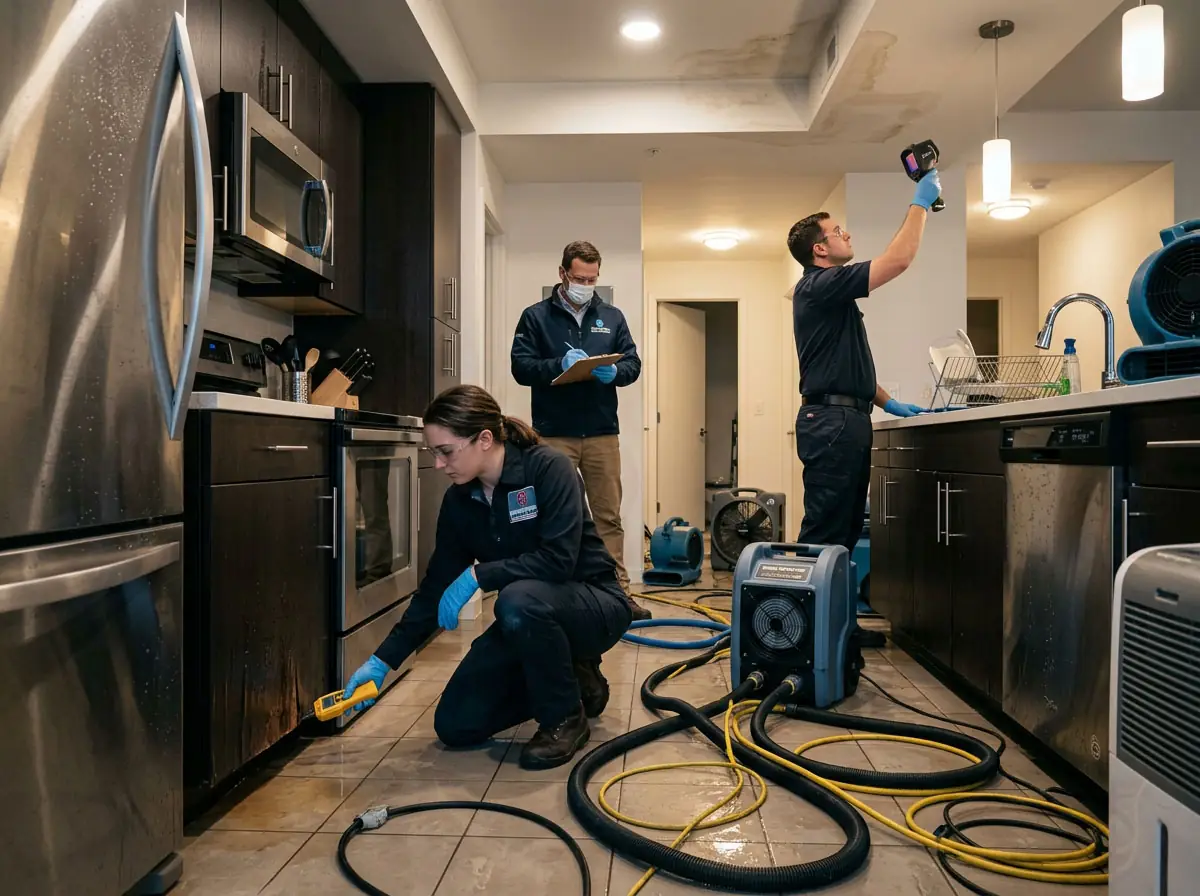


⚡ TL;DR: This guide shares effective water damage mitigation steps for Pueblo, CO, covering the first 24 hours, pro tools, local flood strategies, and tips to dodge common errors.
📋 What You’ll Learn
In this guide to Pueblo water mitigation, you’ll uncover local threats, critical first steps, pro drying tools, tailored strategies, and real case insights to protect your home from water damage.
- Grasp Pueblo’s unique water risks from burst pipes, Arkansas River floods, and storms to anticipate and prevent costly property damage in this Colorado region.
- Master the 24-hour mitigation timeline with pros’ step-by-step extraction, assessment, and drying actions that halt further harm and mold development quickly.
- Discover elite tools for rapid drying like industrial dehumidifiers, high-velocity air movers, and thermal imaging to restore homes efficiently and thoroughly.
- Implement Pueblo-specific flood tactics targeting high humidity and river overflows with climate-adapted methods for faster, more effective local recovery.
- Avoid pitfalls using case study lessons from a saved Pueblo home, plus pro tips to ensure successful mitigation without common homeowner errors.
📖 Reading time: 7 min
✍️ Author expertise: Pueblo water damage specialist with 12 years of field experience in local flood restoration.
Imagine waking up at 3 a.m. to the sound of rushing water in your Pueblo home, courtesy of a busted pipe or flash flood from the Arkansas River.
Seconds count. One wrong move, and you're staring at warped floors, mold outbreaks, and a repair bill that hits five figures.
In this post, we'll cut through the noise on Pueblo water mitigation and reveal the tactics that pros swear by to stop damage dead in its tracks. Keep reading to grab the strategies that save homes like yours.
Understanding Pueblo's Unique Water Threats: Pipes, Floods, and Storms
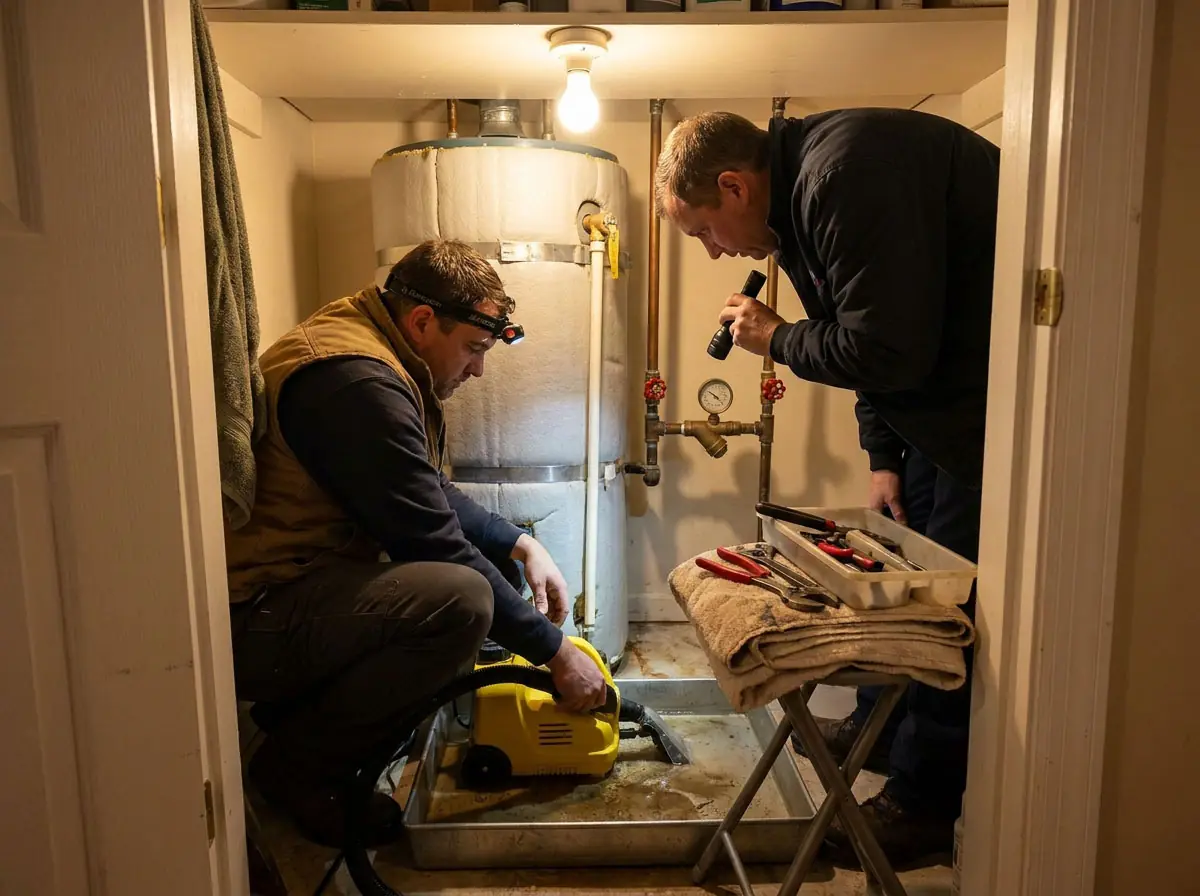
Pueblo sits smack in the path of water trouble. Think frozen pipes cracking under Colorado's brutal winters. Or sudden storms dumping inches of rain overnight.
Pipes: The Silent Home Wreckers
Old homes here have aging plumbing that gives way fast. A single freeze-thaw cycle bursts them, flooding basements before you wake up.
- Winter temps drop below 20°F? Pipes expand and snap.
- Hard water buildup clogs and weakens lines over time.
- Result: gallons pouring out unchecked.
Floods and Storms: Arkansas River Rampage
The Arkansas River runs right through town, swelling with snowmelt or monsoons. Flash floods hit hard, especially in low-lying spots like the south side.
Storms bring hail, high winds, and roof leaks that turn attics into swamps. High humidity after keeps everything soggy, inviting mold city.
Step-by-Step Water Mitigation Process: The First 24 Critical Hours
You've got water gushing everywhere. Stop panicking. Hit the main water valve first, then kill the power to avoid electrocution.
Those first hours decide if your Pueblo home gets a fighting chance. Pros move like lightning through these steps. Miss one, and mold crashes the party.
- Secure the scene: Shut off water supply. Unplug everything. Check for structural dangers like sagging ceilings.
- Extract standing water fast: Grab truck-mounted pumps or wet vacs. Suck up gallons in minutes, not hours.
- Remove wet materials: Rip out soaked carpet, drywall up to 18 inches. Bag it quick to block moisture spread.
- Air movement blitz: Set up high-velocity fans. Position dehumidifiers to yank humidity below 50%.
- Monitor and treat: Use moisture meters every few hours. Spray EPA-approved antimicrobials to kill hidden bacteria.
By hour 24, surfaces should read dry. Call in Pueblo experts like us if DIY stalls. We've got the gear to finish the job right.
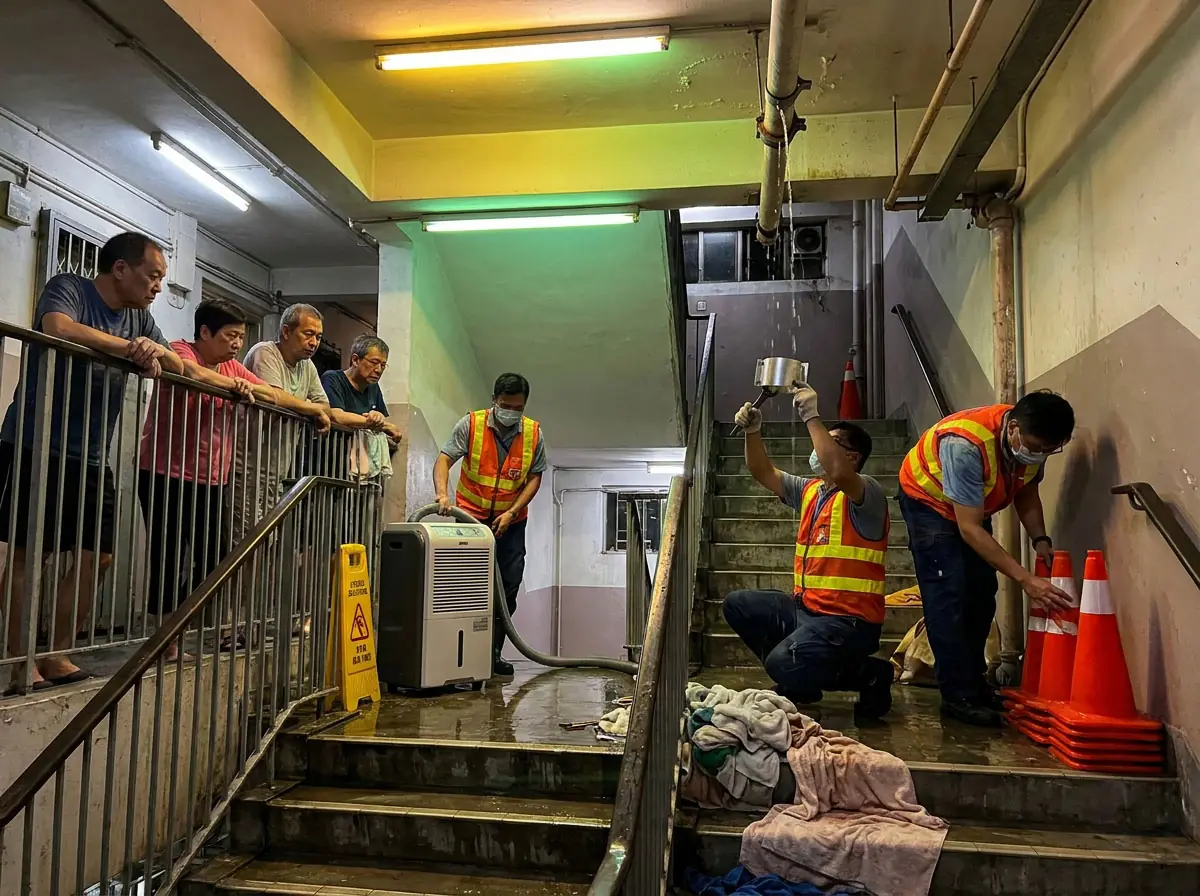
Top Tools and Techniques Pros Use for Fast, Effective Drying
Pros hit the ground running with powerful water extractors. Truck-mounted pumps suck out standing water in minutes, not hours. Skip the shop vac; these beasts handle gallons fast.
The Drying Arsenal That Works
- High-velocity air movers: Spin air at 3,000 CFM to evaporate moisture from carpets and walls. Position them strategically for max airflow.
- Commercial dehumidifiers: Pull 100+ pints of water daily from the air. Stack 'em in key spots to drop humidity below 50% quick.
- Infrared thermometers and moisture meters: Pinpoint hidden dampness. No guessing; data drives every move.
Layer these tools right, and you slash drying time by days. In Pueblo's muggy summers, we tweak fan angles to fight that stubborn humidity. Watch pros demo this on a job, and you'll see why DIY fans flop.
Forget plastic sheeting myths. Seal off wet zones with zip walls to contain airflow. Monitor progress hourly; adjust on the fly. That's how we nail dry times under 48 hours.
Pueblo-Specific Strategies: Tackling Arkansas River Floods and High Humidity
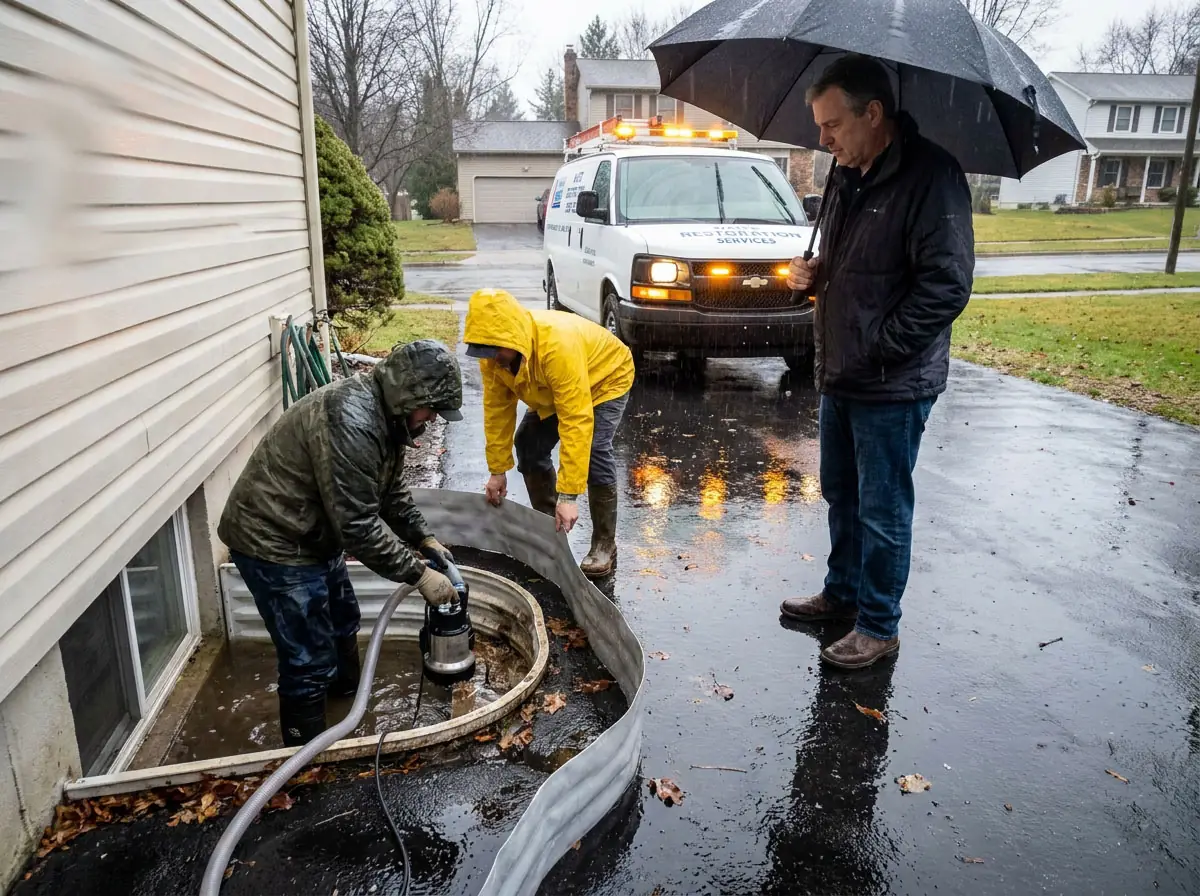
Pueblo sits right by the Arkansas River, so flash floods hit hard and fast. We're talking muddy water surging through basements in minutes during monsoon season. Pros here don't mess around. They deploy high-capacity sump pumps first to shove that water out before it soaks everything.
Beat the River Rush
- Seal off flood-prone areas with inflatable dams. Keeps the chaos contained.
- Use truck-mounted extractors to suck up standing water. These beasts pull gallons per minute.
- Target mud removal with industrial vacuums. No leaving that gritty mess to breed mold.
High humidity in Pueblo drags out drying times, turning small leaks into big problems. Air here hovers at 60-70% post-storm, so standard fans flop. Smart crews crank up desiccant dehumidifiers. They yank moisture from the air like a sponge, hitting 20% humidity fast.
Layer in axial fans for airflow. Position them to create negative pressure, pulling damp air out through windows. Test moisture levels hourly with thermal imaging. Skip this, and hidden wet spots fester under your floors.
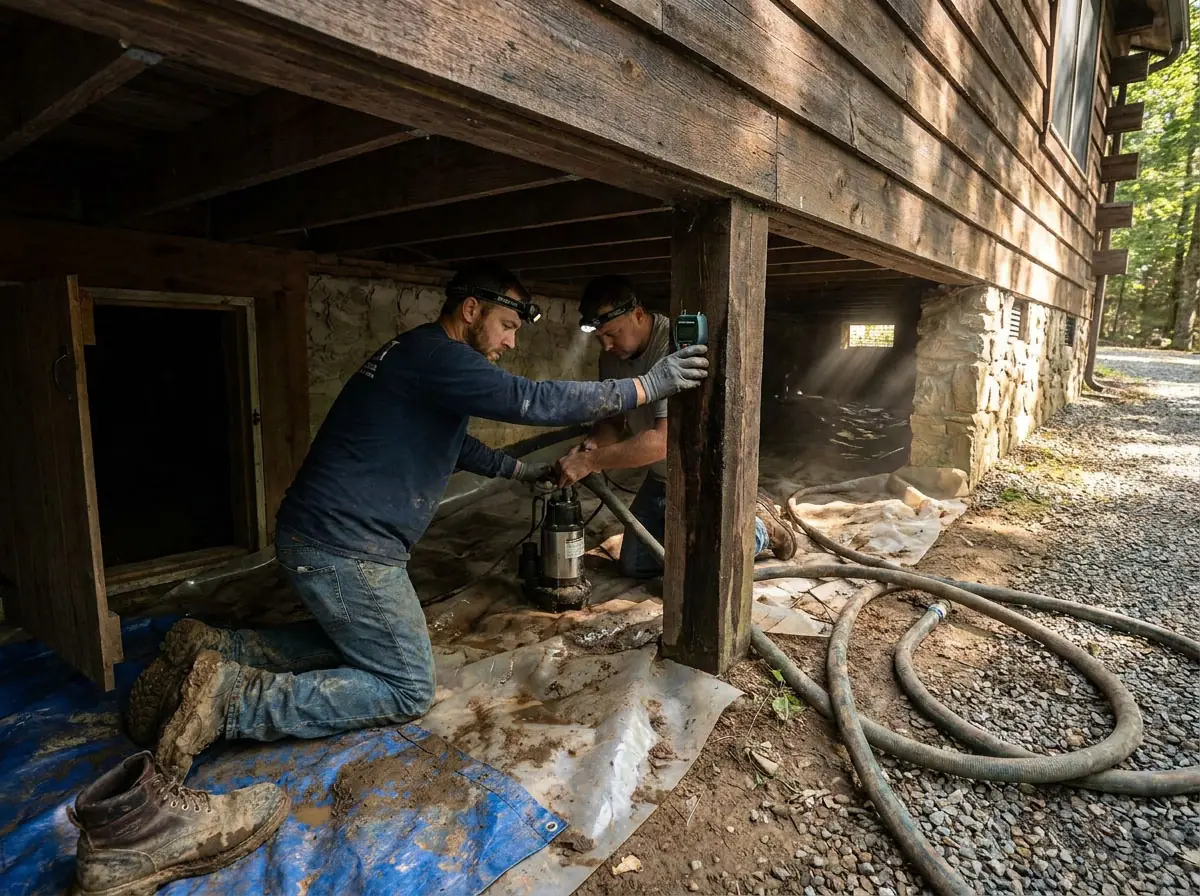
Case Study: How We Saved a Local Pueblo Home from Total Flood Ruin
Picture this: A family home on the edge of Pueblo's Historic District. Heavy rains swell the Arkansas River, and water surges through the basement like a runaway freight train. By 2 a.m., three feet of muddy water soaks everything from drywall to family heirlooms.
The Midnight Call and Rapid Strike
We got the frantic call at 2:15 a.m. Truck rolled out in under 20 minutes. On site by 2:45, we hit the ground running with industrial pumps sucking out 5,000 gallons in the first hour.
- Priority one: Power down electrics to dodge shocks and shorts.
- Next: High-volume extractors clear standing water fast.
- Then: Air movers and dehumidifiers attack trapped moisture.
Turning the Tide in 48 Hours
Day two, moisture meters showed walls at 25% humidity. We sliced out ruined drywall, treated with antimicrobials to kill mold spores dead. By day three, the place tested dry as a bone.
Homeowners dodged a $75,000 rebuild. Floors salvaged. Belongings aired out and saved. Total mitigation cost? Under $12,000. That's Pueblo water damage fought and won.
Common Mitigation Mistakes to Avoid and Pro Tips for Success
Biggest Blunders That Cost Pueblo Homeowners Big
Skipping the pros and grabbing your shop vac? Bad call. It spreads contaminated water deeper into walls and floors, turning a fixable mess into a mold factory, especially with Pueblo's sticky summer humidity.
Another killer: leaving wet carpets in place. They act like sponges, trapping moisture that breeds black mold in days. Pueblo floods from the Arkansas River hit hard and fast - don't let soggy rugs seal your home's fate.
Pro Moves That Actually Save Your Pueblo Property
- Act in minute one: Shut off the main water valve. Every second counts before saturation spreads.
- Air it out smart: Open windows if safe, but skip fans until pros assess hidden moisture pockets.
- Document everything: Snap photos of the damage for insurance. Pros like us handle the rest with thermal imaging for spots you can't see.
Bonus tip: Avoid bleach on mold. It doesn't kill roots. Call a certified Pueblo crew for antimicrobial treatments that stick.
Final Thoughts
Water damage in Pueblo hits hard and fast. But armed with the right steps—from hitting that water shutoff to calling pros with industrial dehumidifiers—you can slash your losses big time.
Don't let a pipe burst or river swell turn your home into a swamp. Act in the first hour. That single move keeps mold away and your walls standing.
Quick Action Checklist
- Shut off water. Grab towels. Move valuables high.
- Dial local experts now. Skip DIY disasters.
- Check our Water Damage Mitigation page for Pueblo-tailored services.
One call turns chaos into control. Your home deserves that fight.
People Also Ask
What is water mitigation and why is it crucial in Pueblo, CO?
Water mitigation involves extracting water, drying affected areas, and preventing further damage from mold and structural issues. In Pueblo, where Arkansas River floods and summer storms are common, prompt mitigation within the first 24 hours is essential to minimize costly repairs. Professional services use advanced equipment to restore homes quickly and safely.
How fast should water mitigation begin after a flood in Pueblo?
Water mitigation should start within 1-2 hours of discovering the damage to prevent mold growth and structural weakening. In Pueblo's variable climate, delays can exacerbate issues due to high humidity from the Arkansas River. Contacting local experts immediately ensures the fastest response and best outcomes.
What are the most effective tools for water mitigation in Pueblo homes?
Top tools include industrial-grade water extractors, dehumidifiers, and air movers tailored for Pueblo's high humidity and flood-prone areas. These pro-grade machines dry structures faster than DIY fans or towels, reducing mold risk. Local companies know how to deploy them effectively against regional threats like pipe bursts and storms.
How does Pueblo's climate impact water damage mitigation strategies?
Pueblo's semi-arid climate with sudden monsoons and Arkansas River flooding requires aggressive drying to combat trapped humidity. Strategies focus on high-capacity dehumidification and targeted airflow to handle adobe-style homes common locally. Tailored Pueblo-specific plans prevent secondary damage like warped floors or wall rot.
What common mistakes should Pueblo residents avoid during water mitigation?
Avoid using household vacuums or delaying professional help, as they can spread contaminants or allow mold to form quickly in Pueblo's conditions. Don't ignore hidden moisture in walls or attics, which pros detect with thermal imaging. Following expert guidance ensures complete restoration without recurring issues.

Peter Clark is a fire, water, and mold cleaning specialist with over 12 years of experience in residential and commercial buildings. He focuses on water damage restoration and mold remediation services tailored to Pueblo, CO properties. Deeply rooted in the local Pueblo community, Bob delivers reliable cleanup solutions for homeowners and businesses.
Need Water Damage?
Swift water damage restoration in Pueblo, CO and nearby areas (81001, 81003, 81004, 81005, 81006), restoring properties fast to prevent mold and structural issues.
Get Water Quote