

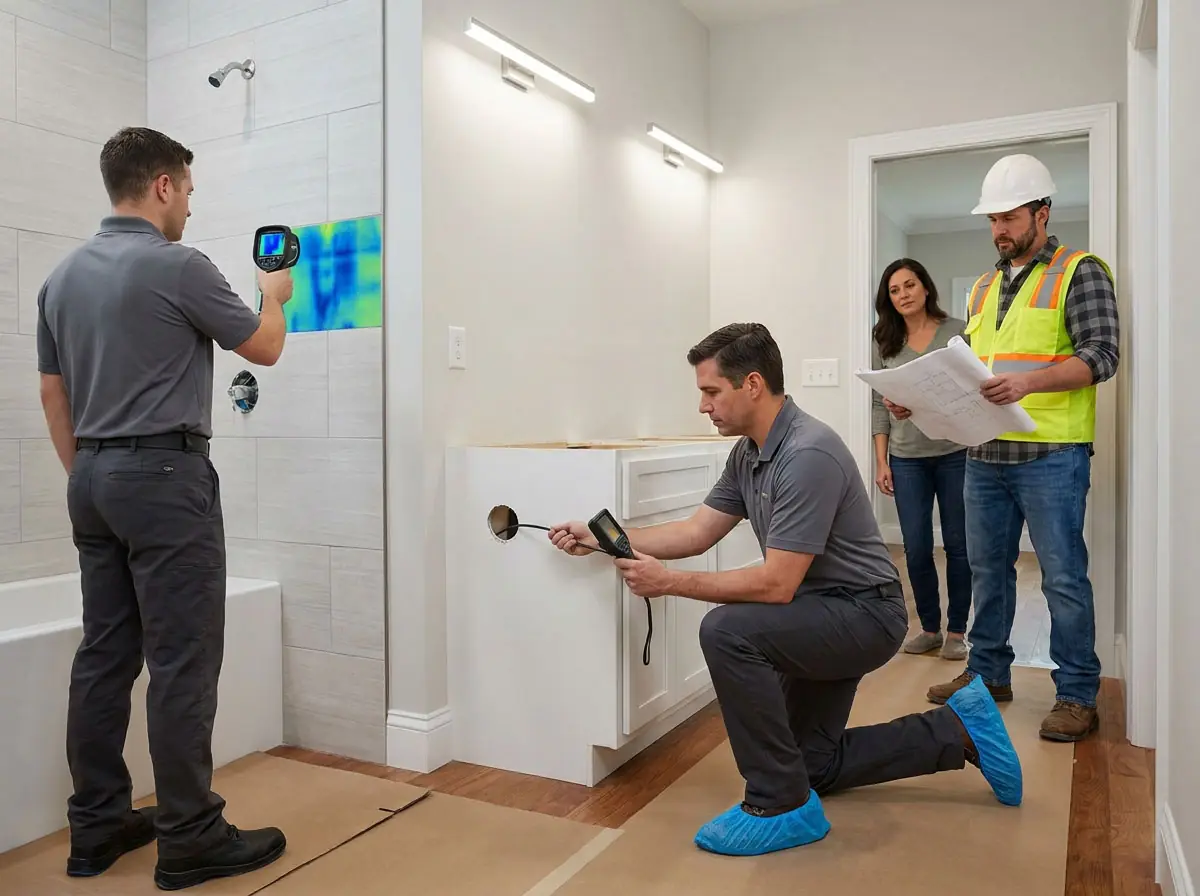


⚡ TL;DR: This guide outlines assessing damage, essential tools, 24-48 hour timing, and pro tactics for water removal services in Pueblo, CO, to prevent mold and aid home recovery.
📋 What You’ll Learn
In this Pueblo water removal guide, you'll uncover assessment basics, pro tools, urgent timing, extraction tactics, and when to hire experts to safeguard your home from lasting damage.
- Assess damage severity like a pro by spotting water categories, hidden moisture in Pueblo homes, and early signs that demand immediate action to avoid escalation.
- Master essential extraction tools used by locals, from truck-mount pumps to dehumidifiers, ensuring fast, thorough removal without leaving residual dampness behind.
- Understand the 24-48 hour mold window and why rapid response in Pueblo's climate prevents growth, structural rot, and health risks after flooding events.
- Follow step-by-step pro tactics for complete water removal, including drying protocols and monitoring, to restore your property efficiently and safely.
- Know DIY limits versus expert help through real Pueblo case studies, learning when backups prevent costly mistakes and ensure full recovery success.
📖 Reading time: 8 min
✍️ Author expertise: Pueblo water damage specialist with 20 years of hands-on flood restoration in local homes.
Your phone buzzes at 2 a.m.—it's the neighbor yelling about water gushing from your Pueblo garage after that freak monsoon hit.
Heart pounding, you wade through ankle-deep chaos, knowing one wrong move means mold, warped floors, and a repair bill that could sink your savings.
But what if you had the right gear and game plan to suck it up fast, dry it out right, and reclaim your space before the damage spreads?
Here's how pros in Pueblo handle water removal with tools that pack a punch, timing that's razor-sharp, and tactics that actually work.
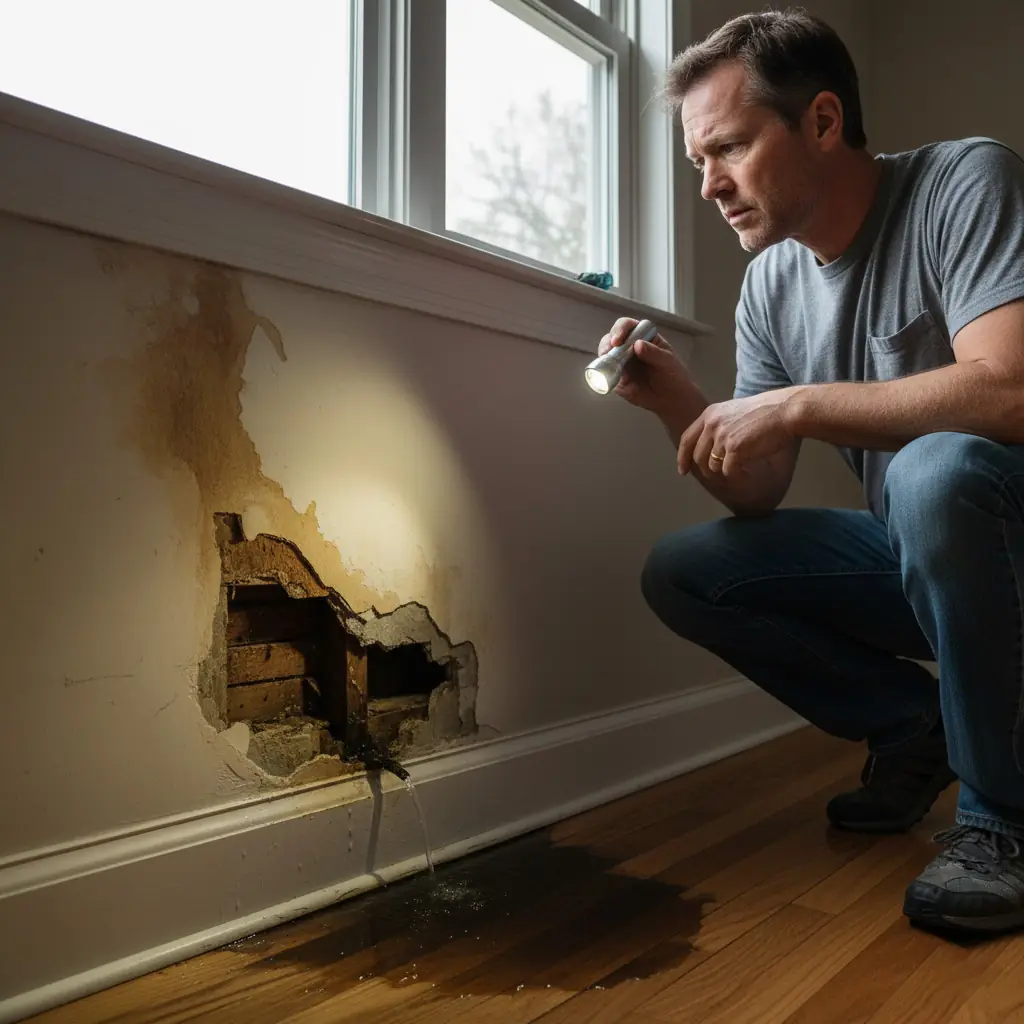
First Steps: Assessing Water Damage Severity in Pueblo Homes
Grab a flashlight and shut off the main water valve first. Pueblo's sudden storms dump inches of rain fast, so trace the leak before it worsens. Safety trumps everything—wear rubber boots and gloves to dodge electrical hazards in soggy basements.
Next, eyeball the water type. Clean water from a busted pipe is less nasty than gray water from your dishwasher or black water from sewers after a Pueblo flash flood. This split decides if you scrub and dry or call pros to haul contaminated muck.
Quick Severity Checklist
- Square footage soaked? Under 10% of your home? Manageable with fans. Over that? Pros needed.
- Materials hit? Drywall soaks like a sponge; cut it out fast to stop hidden rot.
- Smell or slime? Red flag for bacteria—act in hours, not days.
Sketch a rough map of wet zones on your phone. Note depths: ankle-deep hits floors hard, knee-high ruins cabinets. This intel guides your next move in Pueblo's humid air.
Essential Tools: Gear Pros Use for Fast Water Extraction
Pros don't mess around with a shop vac from the garage. They roll in with industrial-grade extractors that suck up gallons per minute. These beasts pull water from carpets, walls, and cracks you can't even see.
Picture this: you're staring at a soaked Pueblo basement. The right tool grabs hidden moisture before it turns into a mold factory.
Truck-Mounted Extractors
- Power source: Hooks to a truck outside, unlimited suction without tripping breakers.
- Speed demon: Empties a flooded room in under an hour.
- Bonus: Heats water for better pull from fibers.
Next up, air movers and dehumidifiers team up like a tag team. Air movers blast wind at 3,000 feet per minute to evaporate what's left. Dehumidifiers? They yank humidity from the air, dropping levels fast.
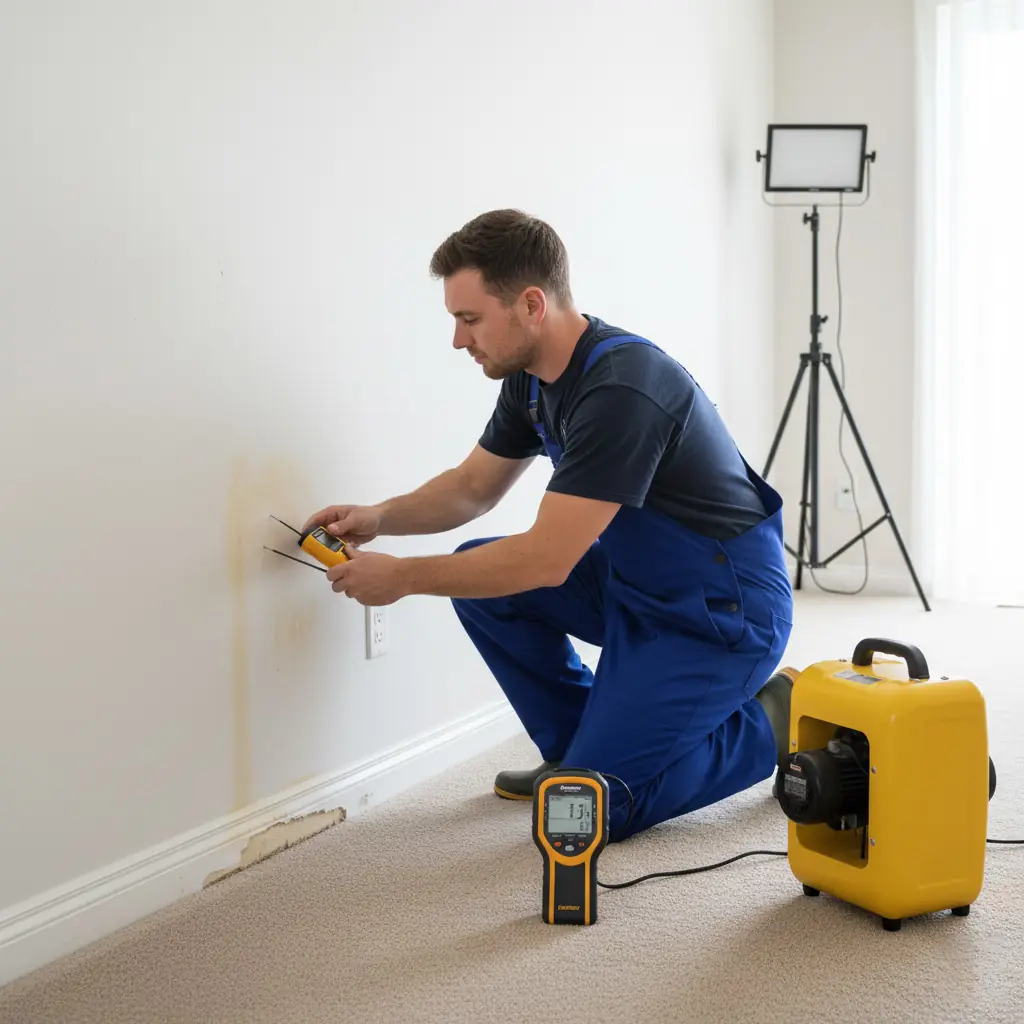
Don't forget the moisture meter. This handheld hero scans walls and floors, spotting damp spots pros hit first. Skip it, and you're drying blind—wasting time and cash.
Critical Timing: The 24-48 Hour Window to Prevent Mold
Water sits. Mold parties. In Pueblo's humid summers, that standing water turns into a fungal nightmare faster than you think.
Hit extraction within 24 hours. Porous stuff like drywall soaks it up quick, feeding spores that double every few hours.
Hour-by-Hour Breakdown
- 0-24 hours: Water spreads. Bacteria wakes up. No visible mold yet, but the clock ticks.
- 24-48 hours: Spores germinate. That musty smell hits. Walls soften, health risks spike.
- After 48: Full invasion. Black mold roots in. Repair costs triple.
Monsoon floods here don't wait. Delay means ripping out soggy drywall instead of just drying it.
Grab your phone now if water's pooling. Pros in Pueblo race the clock to beat this window every storm season.
Step-by-Step Tactics: The Pro Water Removal Process
Pros roll up with a playbook drilled into muscle memory. No guesswork. Just raw efficiency to yank water out before it wrecks everything.
First, they shut off the source. Power down. Block more water. Safety trumps speed every time.
Water Extraction Phase
- Truck-mount extractors suck up standing water in minutes. Think industrial vacuums on steroids.
- They probe carpets, walls, even crawlspaces with moisture meters to hunt hidden pools.
- Air movers blast in next, whipping moisture into the wind for turbo drying.
Debris gets cleared fast. Fans and dehumidifiers take over. Then antimicrobial sprays kill lurking bacteria.
Monitoring and Final Checks
Teams check moisture levels hourly. Adjust gear on the fly. Walk away only when readings scream dry.
Your Pueblo home bounces back tougher. No mold colonies. No structural rot.
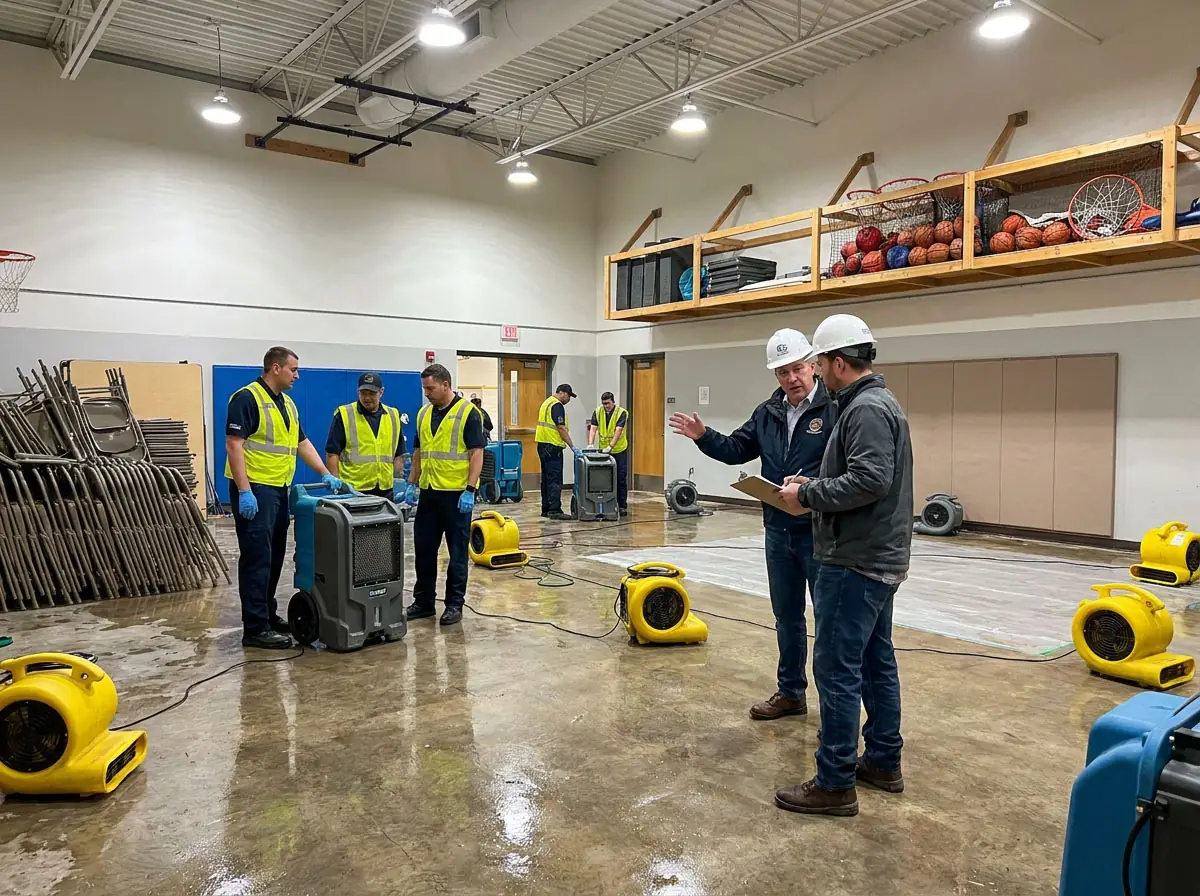
Case Study: Saving a Pueblo Family's Home After Monsoon Flooding
Picture this: the Garcia family in south Pueblo wakes up to three inches of muddy water in their basement after a brutal monsoon dumped six inches overnight. Panic sets in as they spot soaked carpets, floating boxes, and water seeping up the walls. They grab their phones and call our team at 6:15 a.m.
The Rapid Response
We roll out within 45 minutes. First, truck-mounted extractors suck out 1,200 gallons in under two hours. Air movers and dehumidifiers fire up next, hitting every corner hard.
- Moisture meters confirm levels drop below 15% by hour four.
- Antimicrobials spray down to kill any lurking bacteria.
- Structural checks reveal no hidden drywall rot.
By the 48-hour mark, the space is bone-dry. No mold took hold. The Garcias moved back in a week later, with zero structural repairs needed. Their bill? A fraction of what full replacement would've cost.
DIY Limits vs. Pro Services: When to Call for Backup
You grab buckets and a shop vac for that kitchen overflow. Fine for clean water spills under two inches deep. But push it further, and you're risking black mold or structural rot.
Spot the Red Flags: Grab Your Phone Now
- Water deeper than six inches or from sewers—that's contaminated Category 3 stuff pros handle with hazmat gear.
- Soaked walls, ceilings buckling, or buzzing outlets? Electrical shocks wait for amateurs.
- Hidden moisture in carpets or behind drywall? DIY meters miss it, breeding mold in days.
Skip the hero act. Pueblo's monsoon floods hit hard—call certified techs before your "quick fix" turns into a $20K nightmare.
Pros pack industrial pumps, dehumidifiers that roar 24/7, and infrared cameras spotting leaks you can't see. They document everything for insurance, slashing your out-of-pocket hit. Bottom line: DIY saves pennies on small jobs, but pros save your house—and sanity—on the big ones.
Final Thoughts
Water damage in Pueblo waits for no one. That 24-48 hour clock ticks fast after monsoons or busted pipes. Pros grab the win with tools and tactics that DIYers dream about.
Skip the heartbreak of mold creeping in or floors buckling. Call in the cavalry before small floods turn into six-figure nightmares. Your home deserves the heavy hitters.
- Spot severity fast? Check.
- Truck-mount extractors ready? Done.
- Mold blocked in hours? Locked.
Ready to bulletproof your Pueblo property? Dive into our full lineup of Water Removal Services and get back to dry ground today.
People Also Ask
How quickly should water removal begin after flooding in Pueblo homes?
Water removal should start within the first 24 hours to minimize structural damage and mold growth in Pueblo's humid climate. Delaying beyond this window allows water to seep into walls, floors, and insulation, leading to costly repairs. Professional teams in Pueblo use powerful extractors to remove standing water fast, followed by drying equipment.
What tools do professionals use for water extraction in Pueblo?
Pros in Pueblo rely on truck-mounted extractors, submersible pumps, and industrial wet vacuums for efficient water removal from flooded homes. Moisture meters and infrared cameras help detect hidden water behind walls and under floors. These specialized tools ensure thorough extraction, preventing long-term issues like rot in Pueblo's variable weather.
Why is the 24-48 hour window critical for water damage in Pueblo, CO?
Within 24-48 hours, mold spores thrive in Pueblo's warm temperatures if water lingers, causing health risks and further damage. Acting fast preserves your home's integrity and avoids expensive mold remediation. Local experts prioritize this timeline to restore safety and dryness quickly.
Can homeowners do DIY water removal in Pueblo after a flood?
DIY efforts with shop vacs and fans work for minor spills but fall short for Pueblo floods from monsoons or bursts. Professionals handle contaminated water safely and use advanced dehumidifiers to prevent mold. Call experts if water exceeds 2 inches or affects large areas to avoid health hazards.
How to prevent mold after water removal in Pueblo homes?
After extraction, run high-capacity dehumidifiers and air movers for 3-5 days to drop humidity below 50% in Pueblo's climate. Inspect hidden areas with thermal imaging and apply antimicrobials. Schedule professional monitoring to ensure complete drying and mold prevention.

Peter Clark is a fire, water, and mold cleaning specialist with over 12 years of experience serving residential and commercial buildings in Pueblo, CO. He focuses on water damage restoration, fire cleanup, and mold remediation for local properties. His work emphasizes the specific needs of Pueblo's homes and businesses.
Need Water Damage?
Swift water damage restoration in Pueblo, CO and nearby areas (81001, 81003, 81004, 81005, 81006), restoring properties fast to prevent mold and structural issues.
Get Water Quote